

Understanding the Basics: Seamless vs. Welded Pipes
When it comes to industrial applications, choosing the right type of piping is crucial for efficiency and longevity. The primary question often arises: which is better - seamless pipe or welded pipe? To make an informed decision, it's essential to understand the core differences between these two types of pipes. Seamless pipes are manufactured without any welding or joints, making them ideal for high-pressure applications where structural integrity is paramount. They provide consistent strength and are less prone to leakage, which is a significant advantage in certain scenarios.
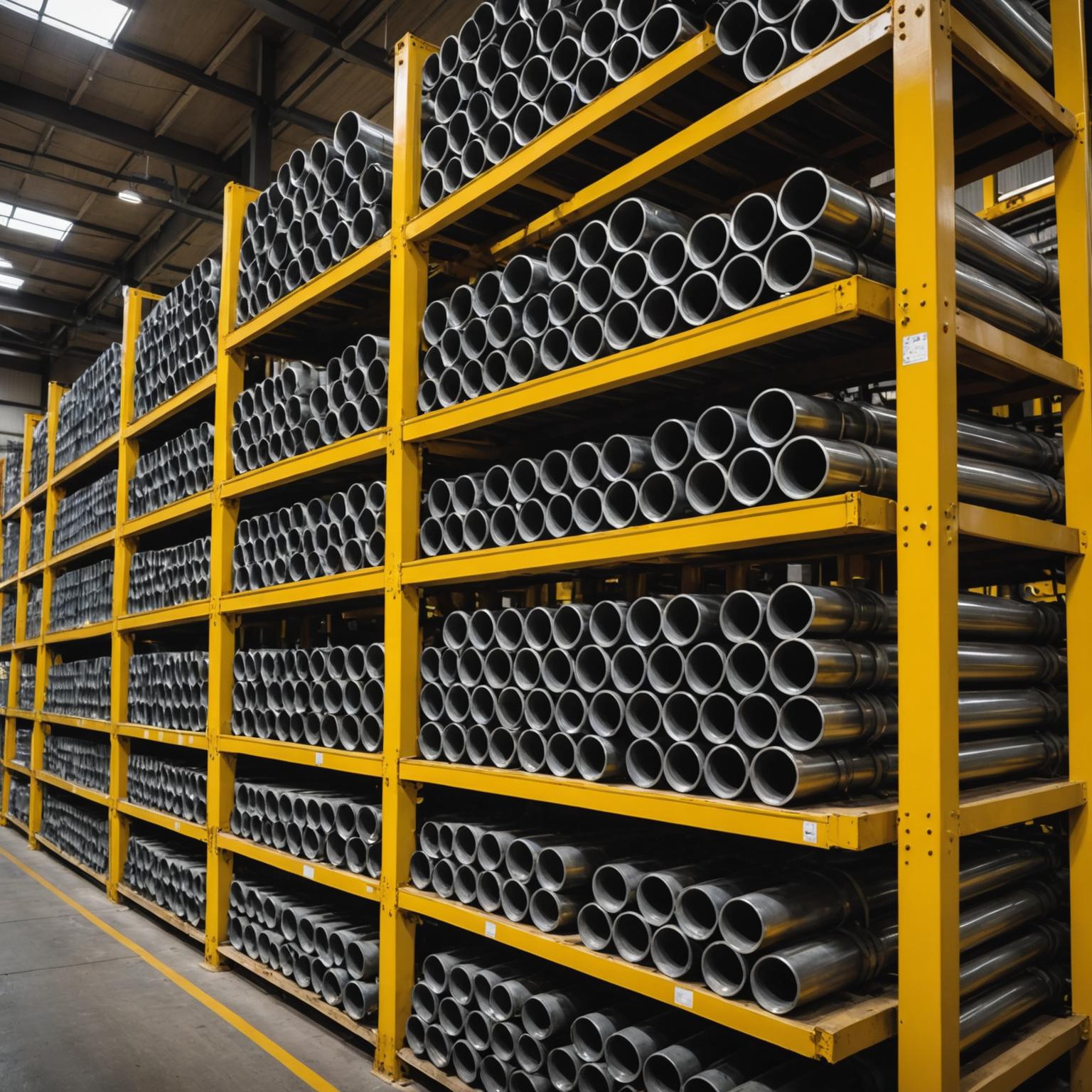
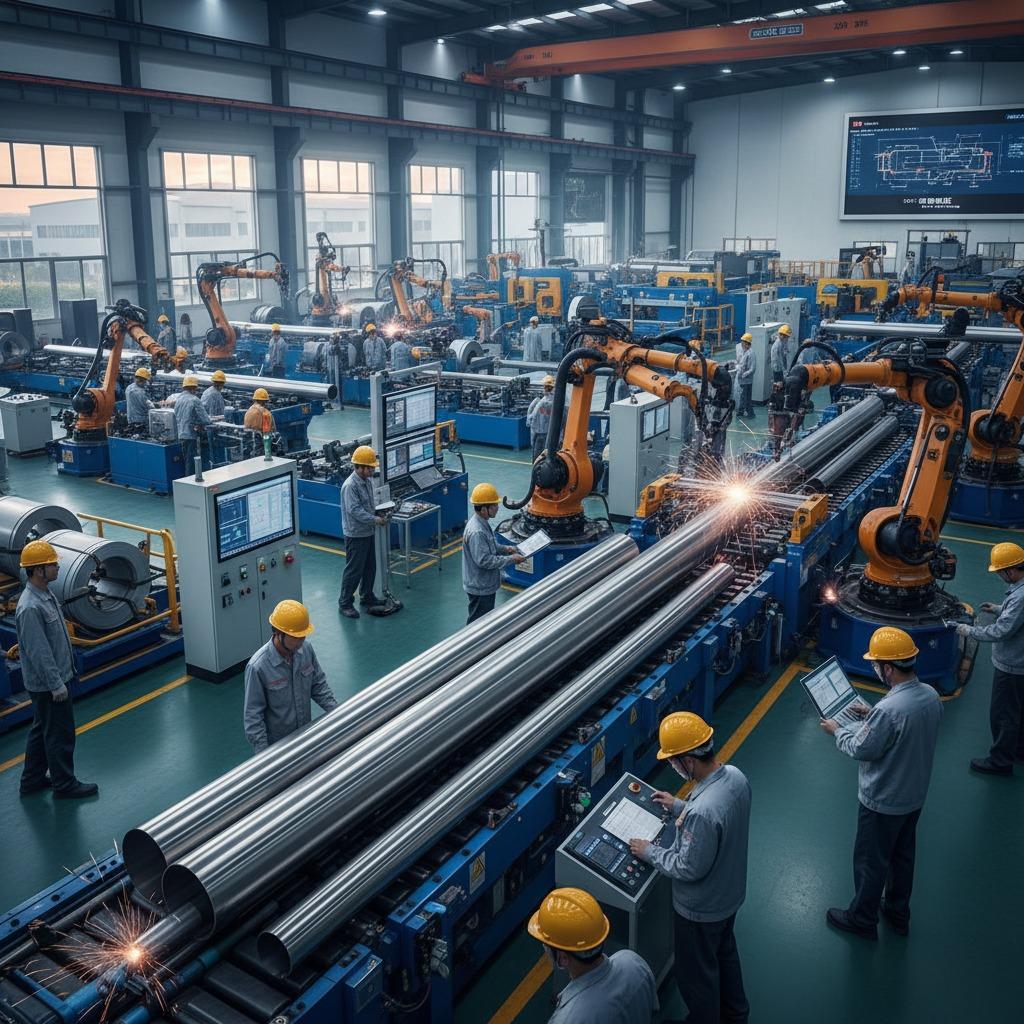
On the other hand, welded pipes are made by rolling out a strip of metal and then welding it to form a cylindrical shape. This process often makes welded pipes more versatile and typically more cost-effective, being suitable for a variety of applications across industries. However, they may not perform as well as seamless pipes under extreme pressure conditions due to the presence of seams.
Application Considerations
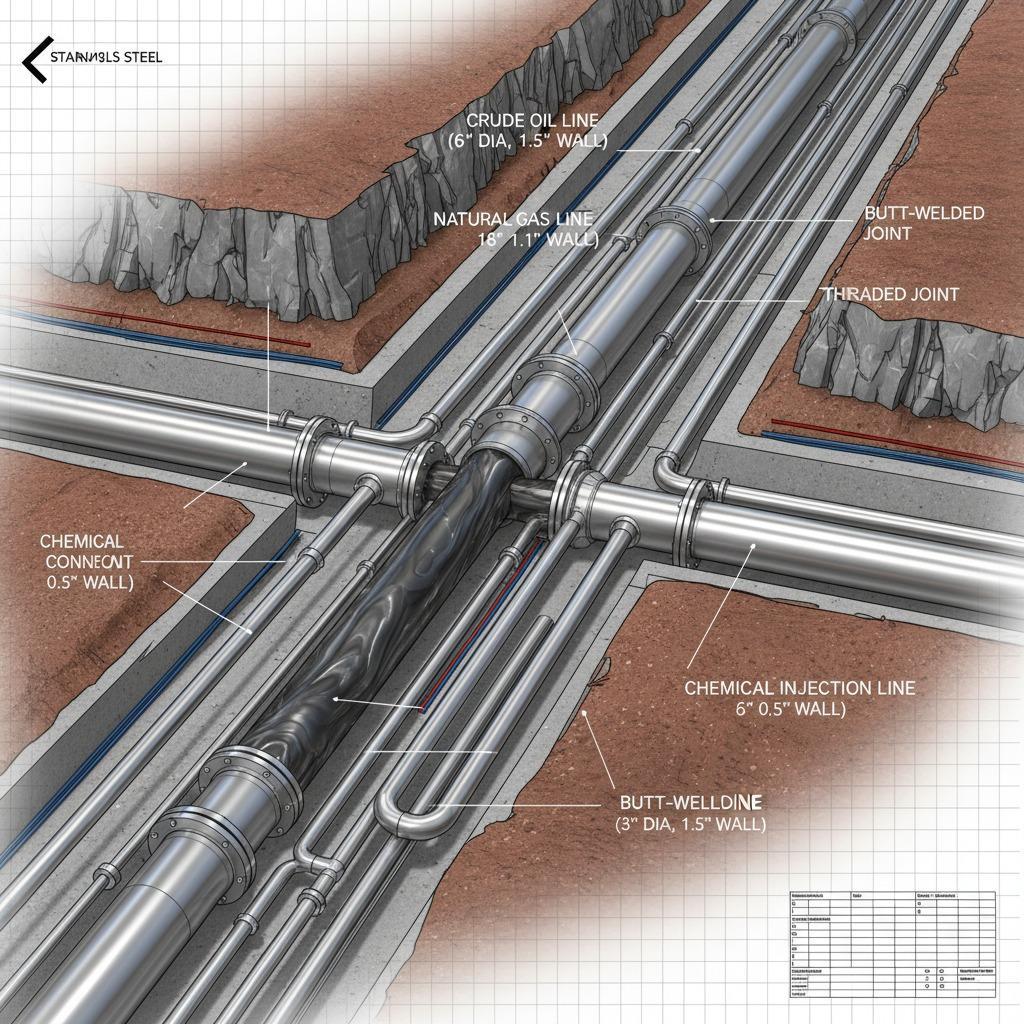
The choice between seamless and welded pipes often boils down to their specific applications. For instance, seamless pipes are renowned for their durability and reliability under high pressure and temperatures. This makes them an excellent selection for applications in the oil and gas industry, where the material's ability to withstand harsh environments is a non-negotiable requirement.
Welded pipes, with their cost-effectiveness and versatility, are commonly used in agricultural, exhaust systems, and low-pressure settings where budget constraints are a concern but performance cannot be compromised. They are advantageous in situations where large diameters are needed since they can be made in longer lengths than their seamless counterparts.
Choosing the Right Pipe for Your Needs
To determine which is better for your projects – seamless or welded pipes – reflect on specific requirements such as pressure ratings, temperature capabilities, and corrosion resistance. Seamless pipes, with no welded joints, offer a uniform structure with excellent load-bearing capabilities and a smooth surface that minimizes resistance. This is particularly beneficial in applications that demand unimpeded flow of fluids or gases.
Meanwhile, welded pipes, easily tailored to various diameters and specifications, offer the advantage of reduced labor costs and flexibility across a wider array of settings. They are highly suitable in environments where industrial elegance and aesthetic value are also essential. Moreover, the finish of welded pipes can effortlessly add a touch of industrial chic to any setting, underscoring their multipurpose nature.
Ultimately, deciding between seamless and welded pipes should be guided by their respective advantages and how they align with the specific requirements of your project. Whether it's the robust and elegant seamless pipes or the flexible and cost-effective welded pipes, understanding these nuances ensures you make choices that optimize your pipeline's efficiency and longevity.