

Stainless steel has become an important material in modern construction and manufacturing, and is known for its durability, aesthetic appeal and versatility. Whether you are an architect designing the next awesome structure or an engineer working on high-performance systems, stainless steel, especially stainless steel pipes, offer unparalleled reliability and functionality. This article delves into the functions, benefits and production processes behind this extraordinary material. 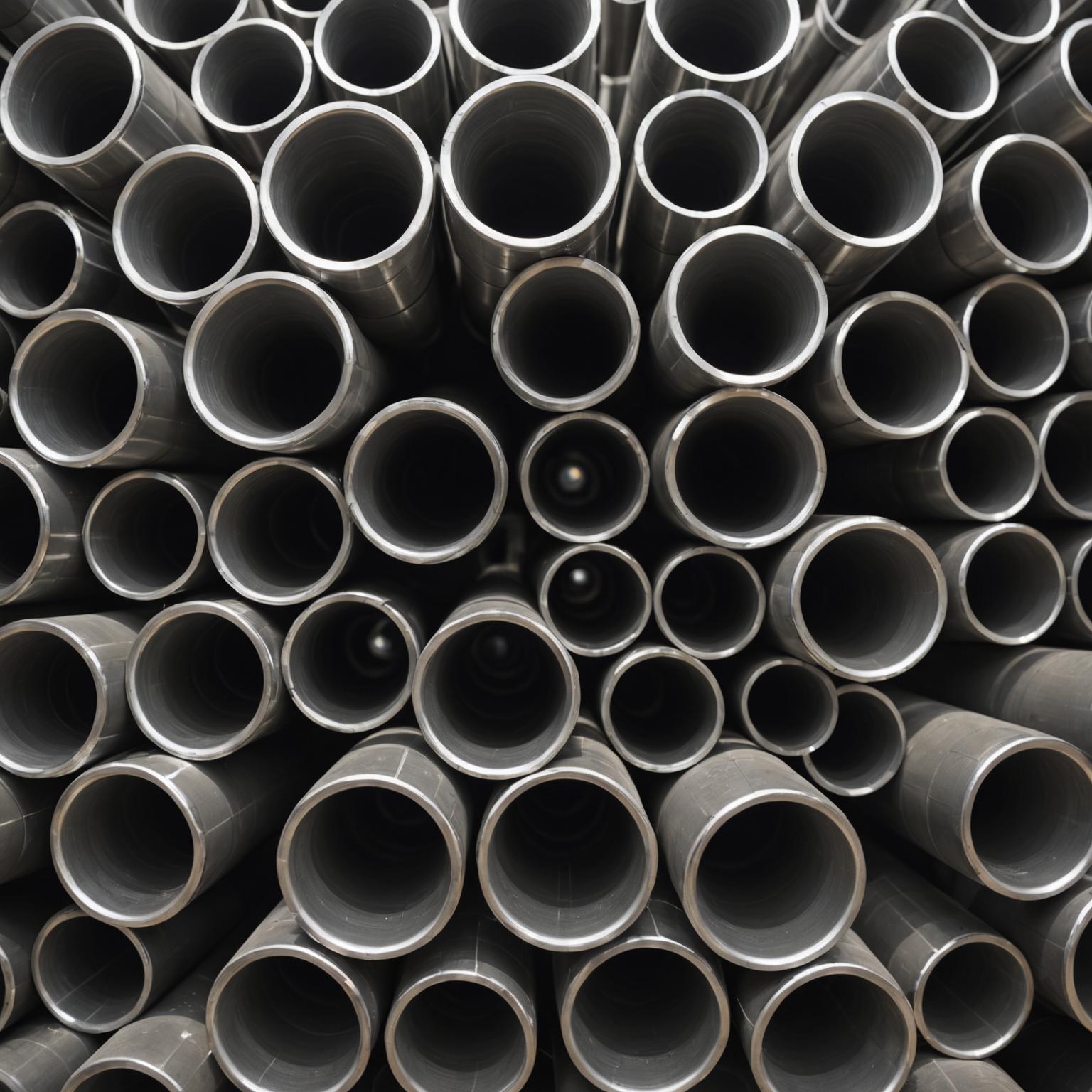
What makes stainless steel excellent?
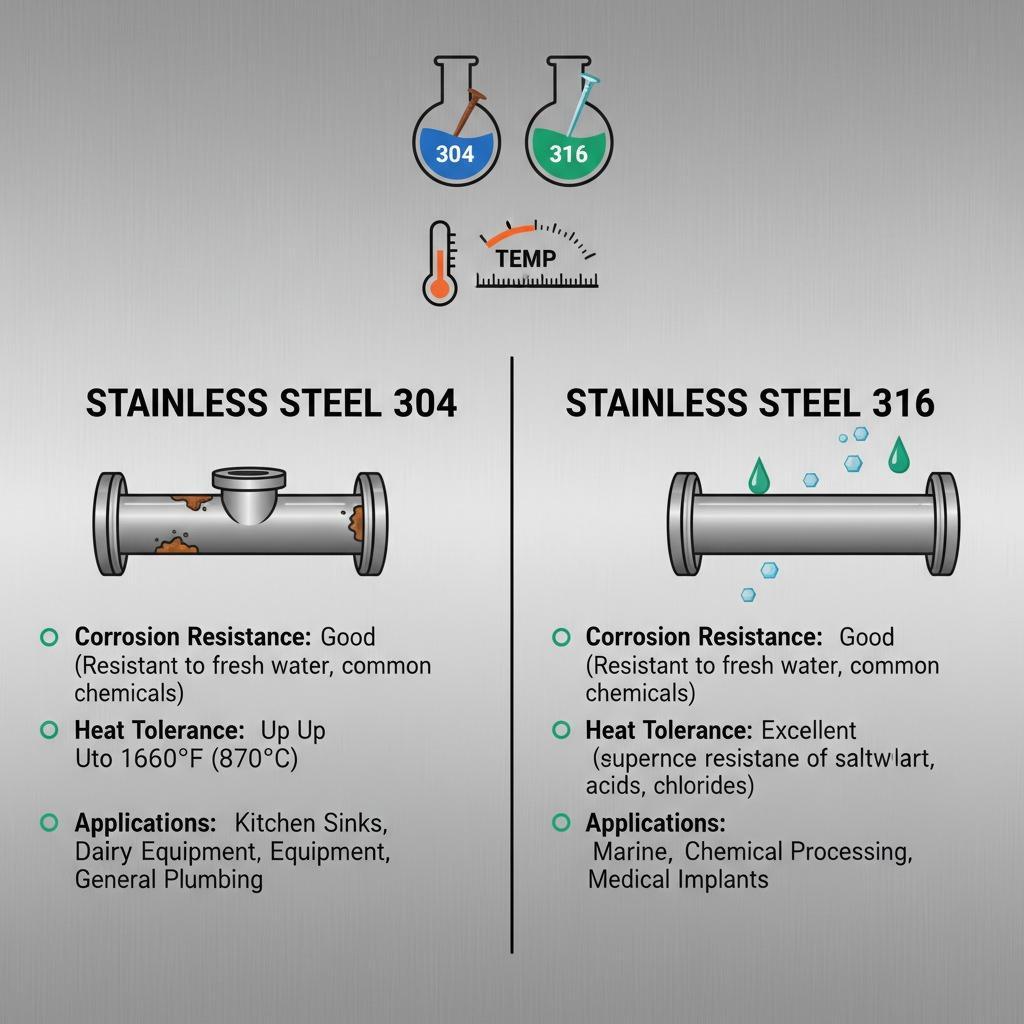
One of the outstanding features of stainless steel is its incredible impact on corrosion and rust. This property makes it suitable for harsh environments, ensuring long-lasting and long-lasting performance. Stainless steel is also known for its smooth and polished appearance, which is perfect for modern design and industrial projects.
Excellent properties such as **Super resistant stainless steel pipes**Such as stainless steel. With the mirror polishing effect, these tubes are not only aesthetically shocking, but also carefully designed. The tubing is made of advanced stainless steel alloy for excellent durability, unparalleled strength and flexibility.
From handrails and scaffolding to piping and industrial design, the versatility of stainless steel is unparalleled. Its ability to maintain structural integrity under extreme pressures and temperatures further highlights its superiority as a material choice for countless applications.
Application of stainless steel pipes
Stainless steel pipes (such as those in the **Span International Pipe ** series) have entered a range of industries. Their stylish metallic grey tones and smooth finishes make them perfect for architectural projects, where both functional and aesthetic appeal are key. Modern architects often use stainless steel pipes for structural frames, decorative elements or as key components in bridges, skyscrapers and residential spaces.
In the automotive industry, stainless steel pipes promote innovative designs by ensuring robustness and elegance. They play a crucial role in exhaust systems, engine components and frames, allowing vehicles to perform reliably when embodying a stylish appearance.
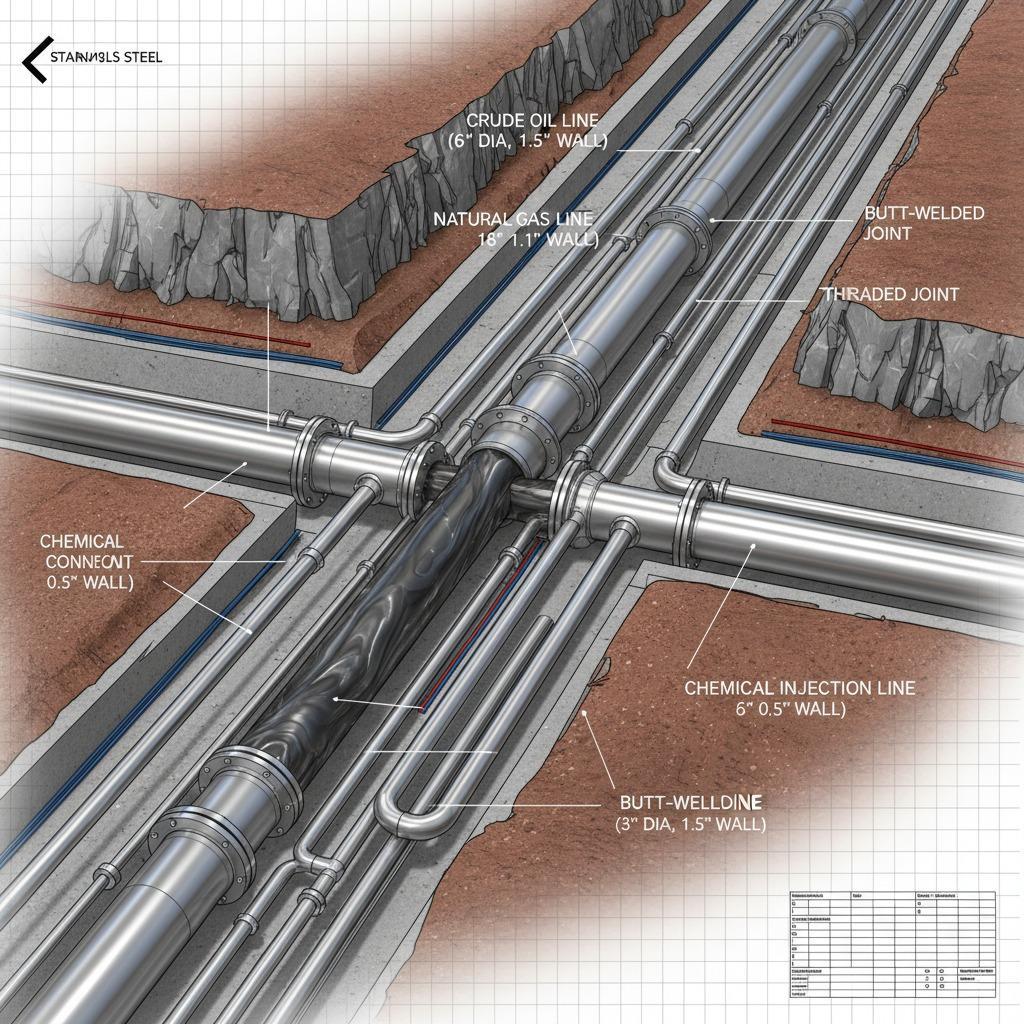
The health care and food industry is critical to maintaining hygiene standards due to its non-reactive nature. Similarly, in manufacturing, pipes and other industrial applications, stainless steel pipes demonstrate their reliability without compromising performance extreme conditions.
Production process of stainless steel pipes
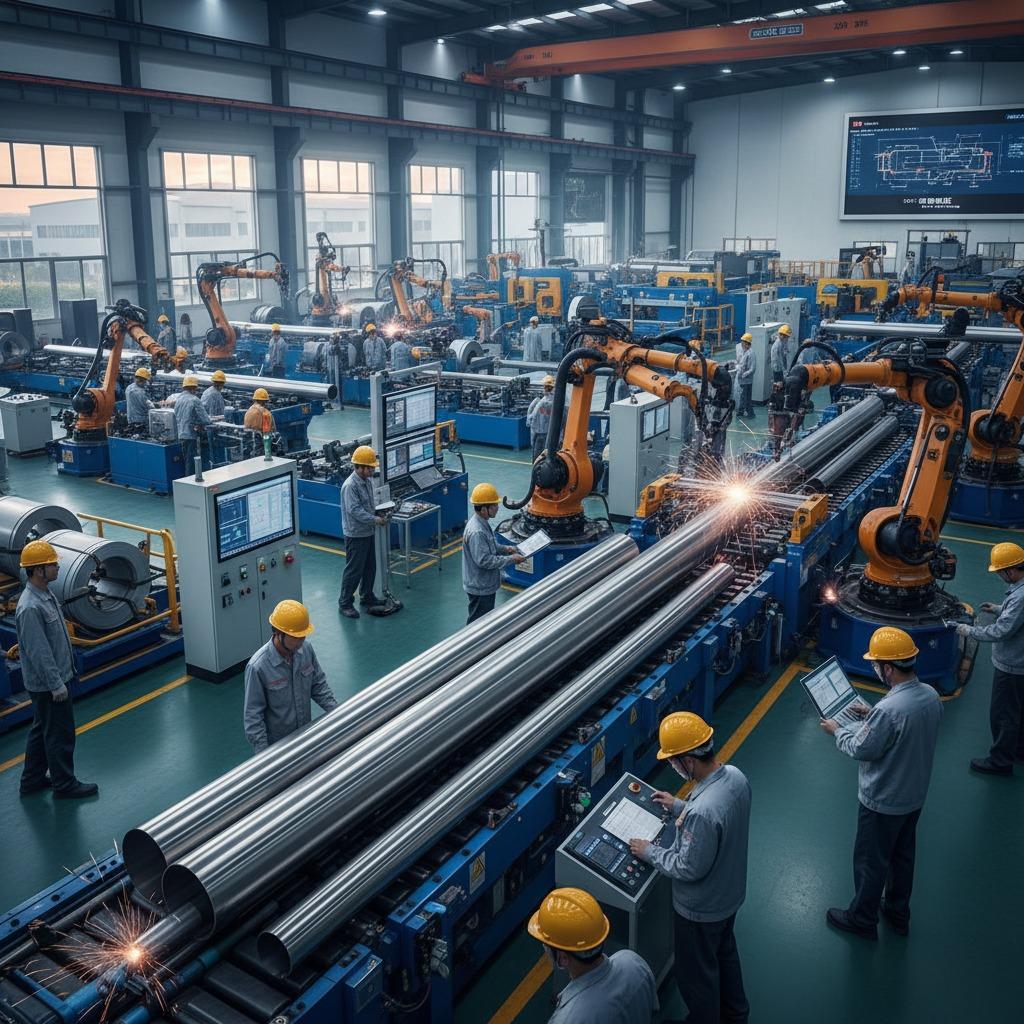
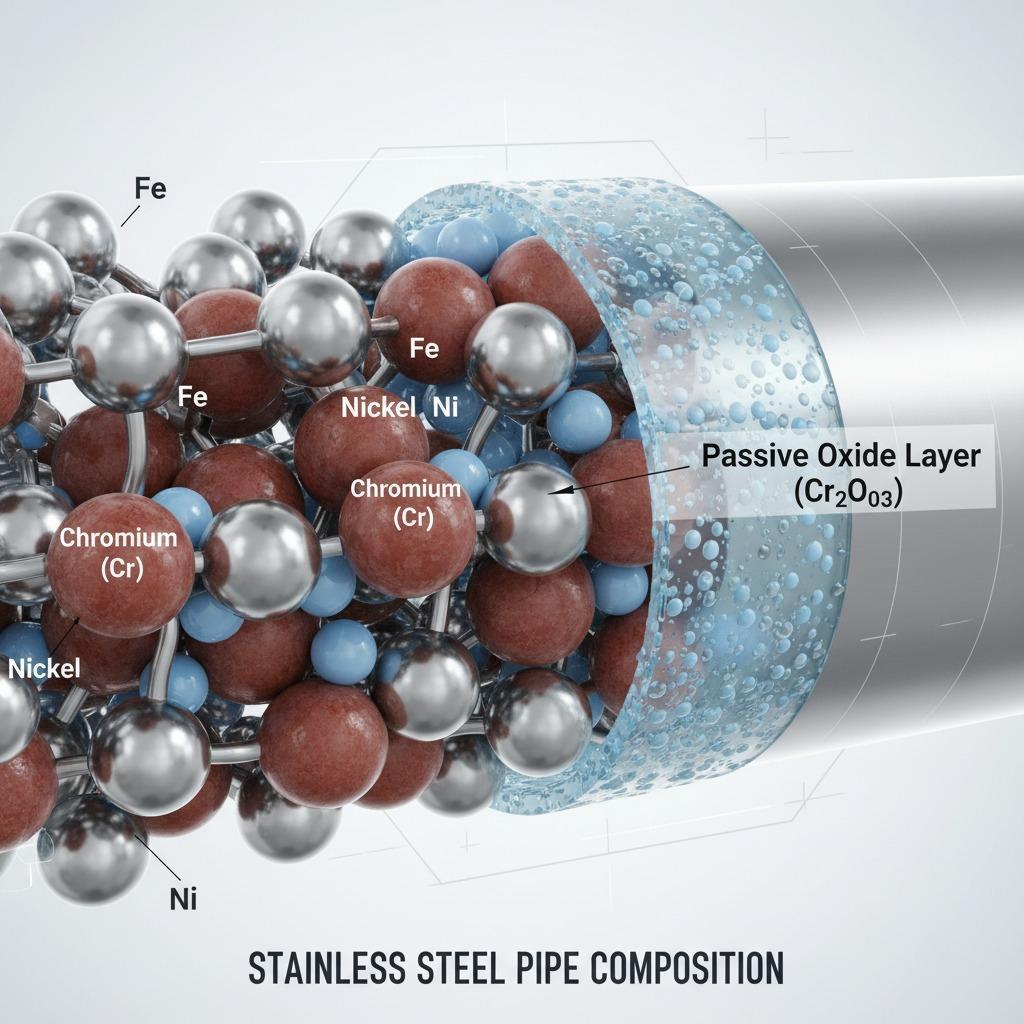
The production process of stainless steel pipes is an interesting combination of science, engineering and art. First, raw materials such as iron ore, chromium and nickel are carefully mixed and melted to produce a stainless steel alloy. This alloy is then purified to remove impurities to ensure the highest quality of the material to be further processed.
Once the alloy is ready, it undergoes a shaping and forming process, which includes rolling and extrusion. These steps determine the size, thickness and specific design elements of the pipe. Precision engineering is used to create uniform curvature, smooth edges and consistent wall thickness – all properties enhance the functionality and aesthetics of the finished product.
After shaping, the pipes are strictly polished to achieve a mirror-like effect to ensure they meet aesthetic and structural standards. The final stages include quality control testing, checking the strength of the pipeline, performance and resistance to environmental factors. Only after passing these tests are passed will pipelines be prepared for industrial or commercial purposes.
Why does the international stainless steel pipe protrude?
Among the excessive selection of stainless steel, **Span International Stainless Steel Pipes set new benchmarks for quality and innovation. The tubes are designed with an unusually polished surface with a careful attention to detail, ensuring uniformity in size, thickness and smooth edges.
**The main characteristics of the international pipeline in span** include:
1. **Excellent durability**: Each tube is resistant to corrosion, rust and wear, perfect for challenging environments.
2. **Size Accuracy**: Can be used in a variety of diameters, the pipes seamlessly adapt to lightweight frames and heavy-duty construction.
3. **Verifiability of the application**: Suitable for handrails, scaffolding, ducting systems and contemporary industrial design.
4. **Environmental Materials**: Stainless steel is recyclable, providing sustainable solutions without compromising performance.
**Span International Pipe uses cutting-edge manufacturing processes to develop** both as a functional and aesthetic medium for architectural, automotive and industrial projects. Its lightweight and powerful design optimizes efficiency while maintaining reliability.
Conclusion
Stainless steel, especially its use in stainless steel pipes, is revolutionizing the industry by providing unparalleled quality, durability and aesthetic excellence. From the architectural wonders, it helps to create a seamless network of pipes it supports, stainless steel has won the position of cornerstone materials in modern engineering.
With innovations like ** Span International Pipe **, manufacturers and designers can now enjoy outstanding performance with amazing elegance. Whether it is precise engineering dimensions or rust resistance under harsh conditions, stainless steel pipes continue to redefine the possibilities of construction and manufacturing. For anyone looking for a combination of optimal durability, style and versatility materials, stainless steel offers a timeless solution that goes beyond mere functionality to become a symbol of modern innovation.
Explore the possibilities of stainless steel and experience the glory of tools like **Span International** as they give your vision in the industry and design.