

A stainless steel kettle is a cornerstone of the modern kitchen, prized for its durability, quick heating, and sleek appearance. However, over time, even the most high-quality kettle can fall victim to limescale buildup. If you've noticed chalky white deposits inside your kettle or an off-taste in your morning brew, learning how to descale a stainless steel kettle is an essential skill. This process not only improves the taste of your beverages but also enhances your appliance's efficiency and longevity, ensuring it continues to perform beautifully, much like a premium Schafer Stainless Steel Thermal Carafe that is designed for both elegance and function.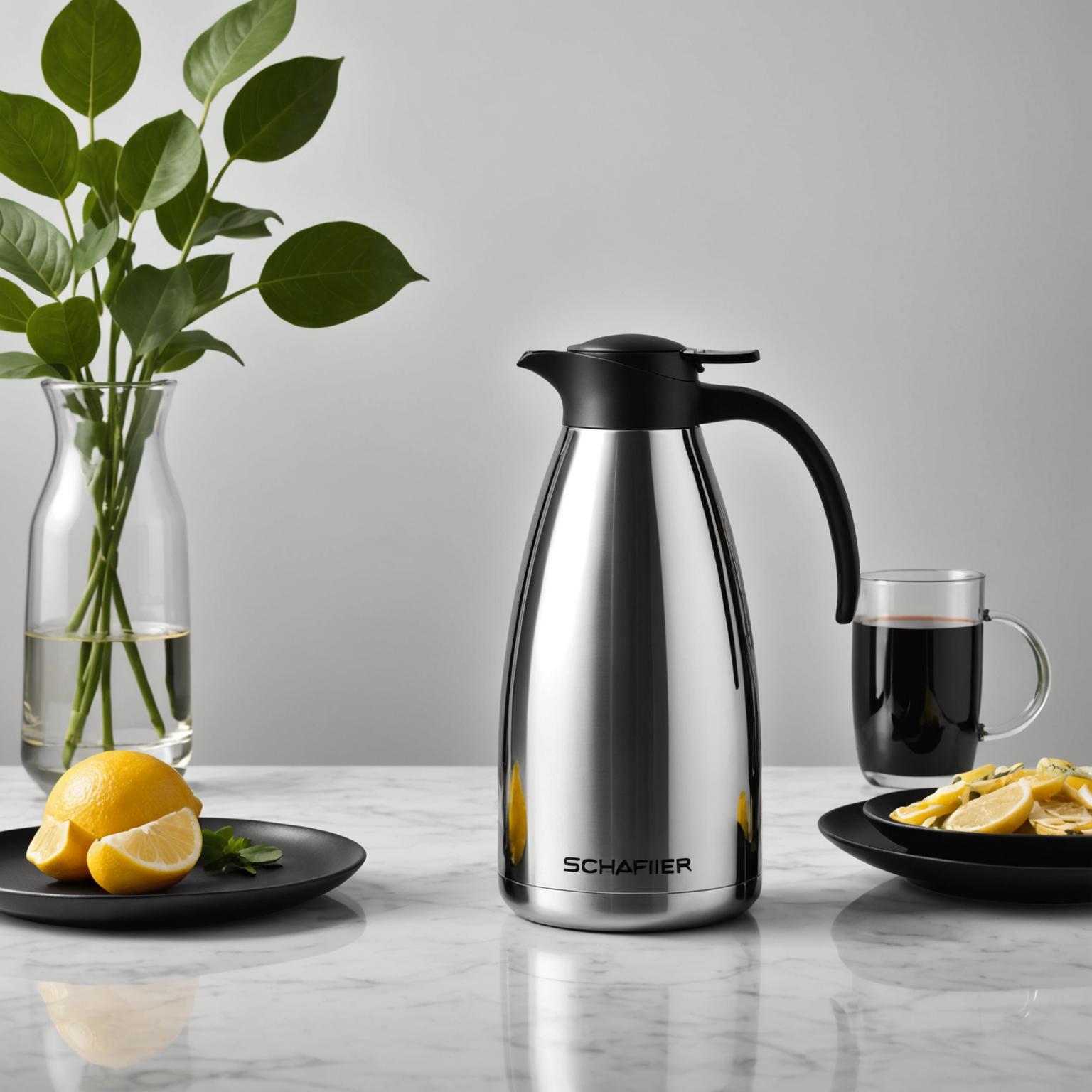
What is Limescale and Why is it a Problem?
Before diving into the cleaning process, it's helpful to understand what you're up against. Limescale is a hard, chalky deposit consisting mainly of calcium carbonate. It is left behind when hard water—water with a high concentration of dissolved minerals like calcium and magnesium—is heated. As the water evaporates or boils, these minerals precipitate out and cling to surfaces, especially heating elements. This buildup can cause several issues. First, it can flake off into your water, leaving unpleasant gritty bits in your tea or coffee. Second, it can negatively impact the taste of the water. Most importantly, limescale acts as an insulator on the heating element, forcing the kettle to work harder and use more energy to boil water. Over an extended period, this strain can shorten the lifespan of your appliance.
Method 1: The Classic Vinegar Solution
One of the most effective and widely used methods for descaling involves a common household ingredient: white vinegar. The acetic acid in vinegar is excellent at dissolving the mineral deposits that form limescale. To use this method, create a solution of equal parts white vinegar and water. You won’t need to fill the entire kettle; a half or three-quarters full mixture is sufficient to cover the heating element and the worst of the buildup. Pour the solution into your kettle, plug it in, and bring it to a boil. Once it has boiled, turn off the kettle and let the hot vinegar solution sit for at least an hour. For very stubborn scale, you can leave it overnight. After the waiting period, pour the solution out and rinse the inside of the kettle thoroughly several times with fresh water to remove any loosened scale and the lingering smell of vinegar. To ensure no aftertaste remains, fill the kettle with fresh water, boil it once more, and discard the water. Your kettle will be pristine on the inside.
Method 2: The Odor-Free Lemon Juice Method
If the potent smell of vinegar is not for you, another natural acid provides a fantastic, better-smelling alternative: citric acid, found in lemons. This method is just as effective and leaves your kitchen with a fresh, clean scent. You can use either fresh lemon juice or powdered citric acid, which is available in most grocery stores. If using lemons, mix one part lemon juice with one part water and fill the kettle. If using citric acid powder, add one to two tablespoons to a kettle filled with water. Just like the vinegar method, bring the solution to a boil and then let it sit for about an hour to allow the acid to break down the limescale. Afterward, empty the kettle, scrub gently with a non-abrasive brush if necessary, and rinse it out completely. Perform a final boil with fresh water and discard it to ensure your next cup of tea tastes of tea, not lemon.
Preventative Care for Your Stainless Steel Kettle
While knowing how to descale a stainless steel kettle is useful, preventing heavy buildup in the first place is even better. Regular maintenance is key to keeping your appliance in top condition. The easiest habit to adopt is to empty your kettle after each use. Leaving water to sit in the kettle between uses accelerates mineral deposit formation. If you live in an area with particularly hard water, consider using filtered or bottled water for your kettle. This will drastically reduce the amount of calcium and magnesium being introduced, thus preventing limescale from forming. Lastly, make descaling a regular part of your cleaning routine. Cleaning it once a month, or every couple of months depending on your water hardness, will prevent the scale from becoming a major issue and make the cleaning process much quicker and easier each time.
Maintaining the Shine of Your Stainless Steel Exterior
Keeping the inside of your kettle clean is crucial for performance, but maintaining its exterior ensures it remains an attractive part of your kitchen decor. High-quality appliances, whether it's a kettle or an elegant Schafer Thermal Carafe, deserve to be kept in pristine condition. To clean the outside, simply use a soft, damp cloth. For tougher grease spots or fingerprints, a small amount of mild dish soap on the cloth works wonders. Always wipe in the direction of the steel's grain to avoid creating tiny scratches. After wiping it clean, use a second, dry microfiber cloth to buff the surface. This final step removes any water streaks and restores that beautiful, reflective shine, ensuring your kettle looks as good as it performs.