

Understanding stainless steel and its key role
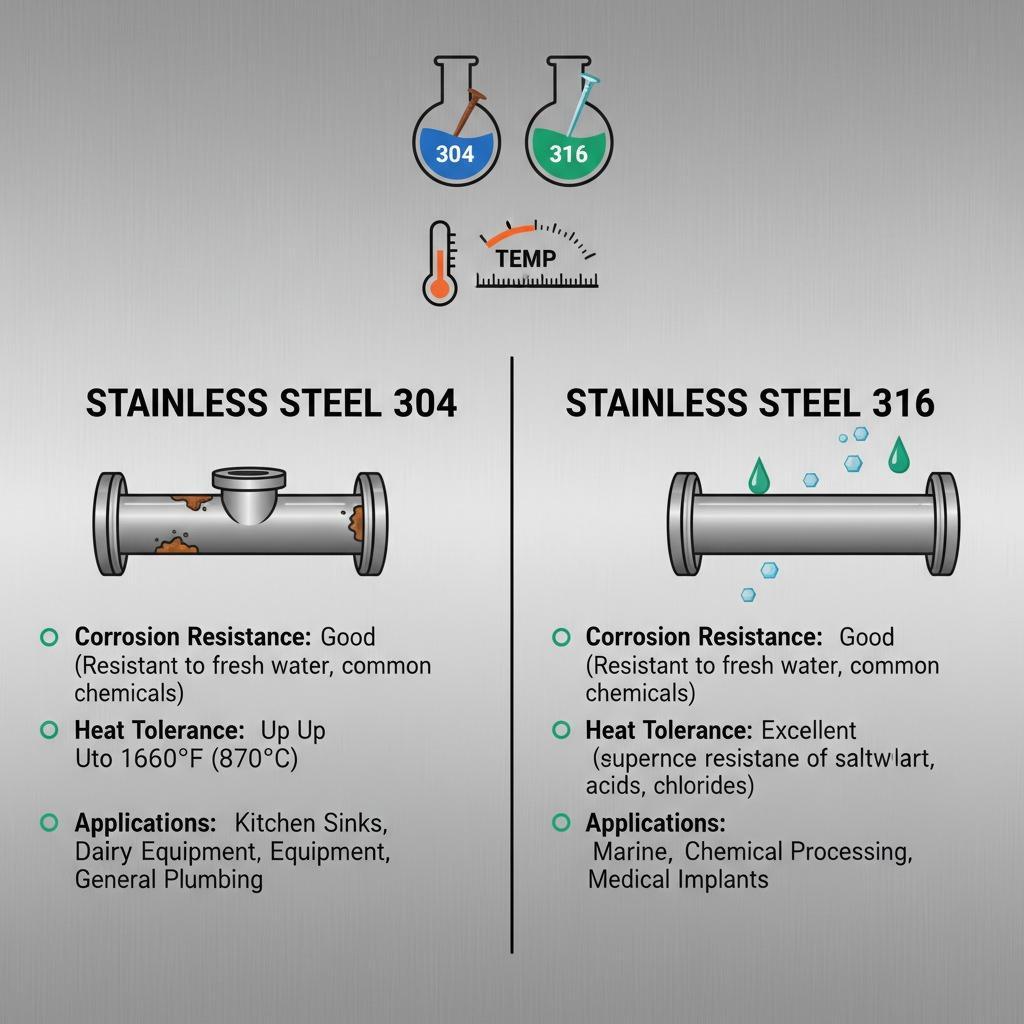
Stainless steel is a material known for its excellent durability, corrosion resistance and versatility in countless applications. Whether you use stainless steel plates in architectural design, industrial manufacturing, or even everyday household items, this premium metal has become the cornerstone of modern craftsmanship. But even with its respected reputation, there are questions like “How to deal with rust?”. Often it occurs, especially regarding its maintenance and lifespan. 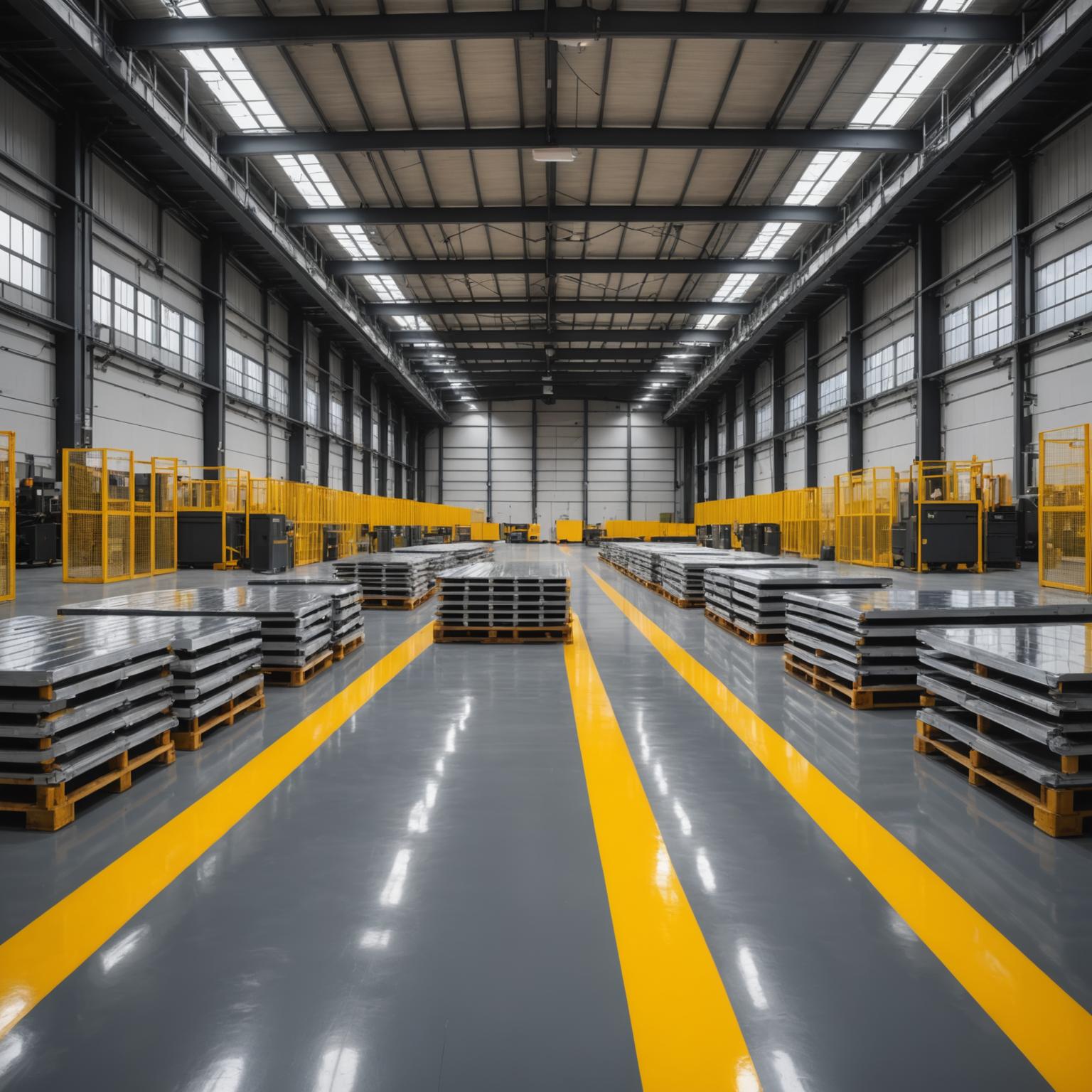
Stainless steel is designed to resist rust and corrosion. However, under extreme conditions or neglect, it is not completely immune. Factors such as exposure to harsh environments, acidic materials, damage to protective layers or improper care can challenge their resistance and cause rust to form. These complications emphasize the importance of understanding stainless steel maintenance to maintain its shiny aesthetic and structural integrity.
Why rust occurs on stainless steel?
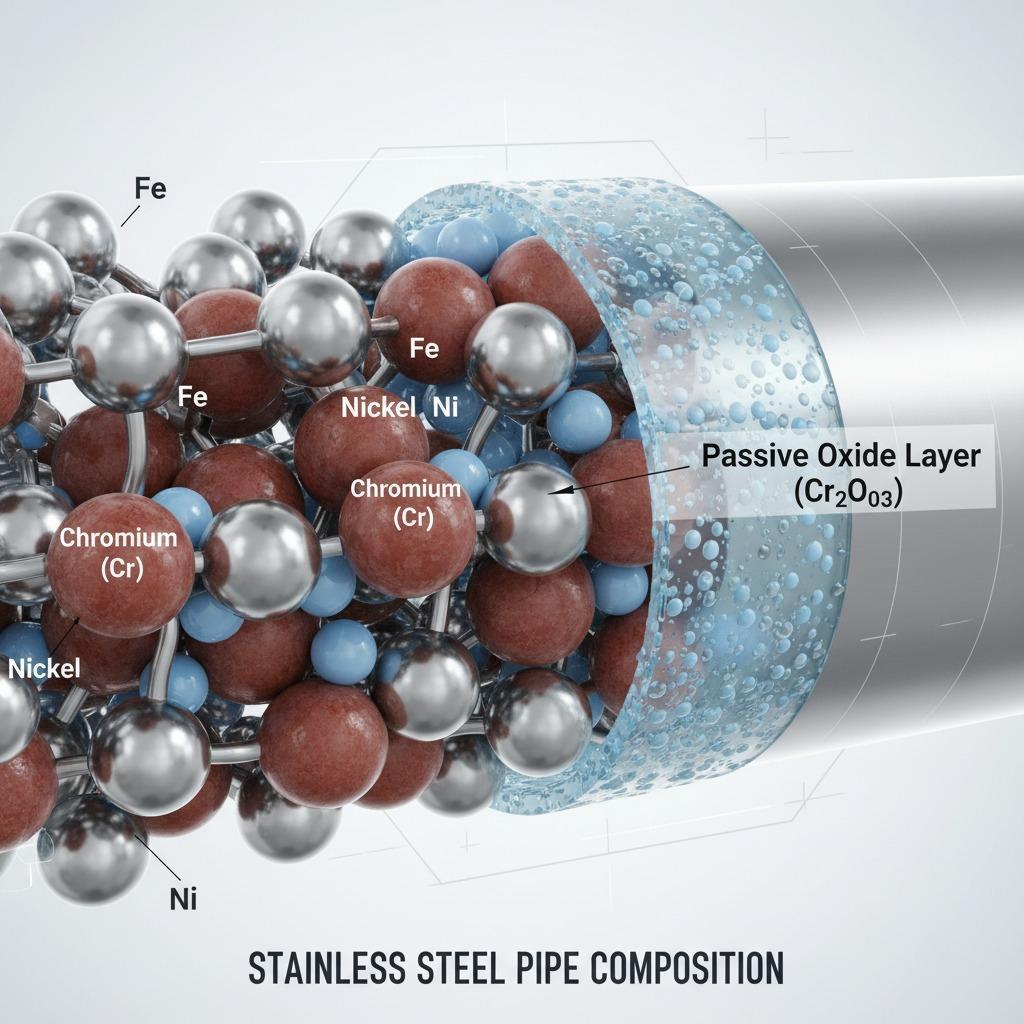
Before researching the solution, let's first explore why rust can occur on stainless steel plates. Although its chromium-containing composition forms a protective oxide layer, the layer can still be damaged. Scratches, dents or prolonged exposure to chloride, brine or acidic contaminants can worsen the shield, causing oxygen and moisture to react with iron in the steel and create rust.
Another contributing factor is environmental conditions such as high humidity, temperature fluctuations or pollution during manufacturing. Improper processing or storage can also speed up problems. Whether you are integrating stainless steel into a construction project, precisely designed aluminum sheets, or designing a stylish stainless steel workbench, understanding and preventing rust is essential.
How to deal with rust on stainless steel?
The ability to restore stainless steel after Rust is formed depends to a large extent on proper maintenance and timely intervention. Here are some practical solutions to help you maintain the highest shape of the stainless steel plate:
1. ** Regular Cleaning: ** Dust, dirt and impurities can damage the protective chromium layer. Clean the stainless steel surface regularly with warm water and gentle detergent. Avoid scratched abrasive cleaners.
2. **Rust removal technique: **For shallow rust, try using a paste made with baking soda and water. Apply this mixture to the rust spots and gently scrub with a soft cloth or brush. For harder stains, use a commercial stainless steel cleaner or a solution containing oxalic acid. Make sure to wipe the surface afterwards.
3. **Protection and Prevention: **Regularly use protective coatings or special stainless steel protective sprays to enhance the natural barrier against rust and corrosion.
4. **Avoid harsh environments: ** If possible, keep the stainless steel away from chloride, brine or acidic conditions to damage its protective layer. For outdoor environments, use stainless steel grades specially designed for high corrosion.
5. **Repair and Repair: **Restorative polishing with stainless steel-specific compounds may help to renew their original finish if severe rust or damage is applied.
Preparation of these measures is critical to ensuring the life of stainless steel, especially in high-performance environments or industrial-grade solutions such as ** modular storage systems** and professional-grade stainless steel workbenches.
Why stainless steel plate stands out
The utilities provided by stainless steel plates go far beyond basic robustness. They are innovations in modern manufacturing and design that offer unparalleled versatility. Precision-designed aluminum sheet or stainless steel solutions cater to industries that require aesthetic appeal and high functionality.
For example, stainless steel plates are an integral part of ** lighting workspace lighting systems, demonstrating their adaptability when creating safe, efficient and durable workspaces. Their ability to work with modular tools and ergonomic workwear ensures that they are not only materials, but also catalysts for progress.
In addition, stainless steel plates represent a sustainable option. Their recyclability makes them a cornerstone of environmentally friendly innovation, aligning with the future of industrial design and style. Combined with proper maintenance, these sheets can serve generations of creators and builders.
Conclusion: Ensure the future
Treatment of rust is not only a maintenance issue; it is a necessary condition to preserve the beauty and practicality of stainless steel products. Whether you incorporate stainless steel into your home project, use them in architectural design, or feature in high-performance environments like stainless steel workbenches, understanding that preventing rust and removal will maximize its life and function.
Stainless steel is the material of the future, ready to blend the industry with elegance, durability and sustainability. By proactively addressing rust and integrating innovations like modular storage systems and ergonomic workspaces, we can ensure that this timeless material remains central in shaping the world’s most daring work.