

How Stainless Steel Pipes Are Polished: A Critical Look at Precision and Performance
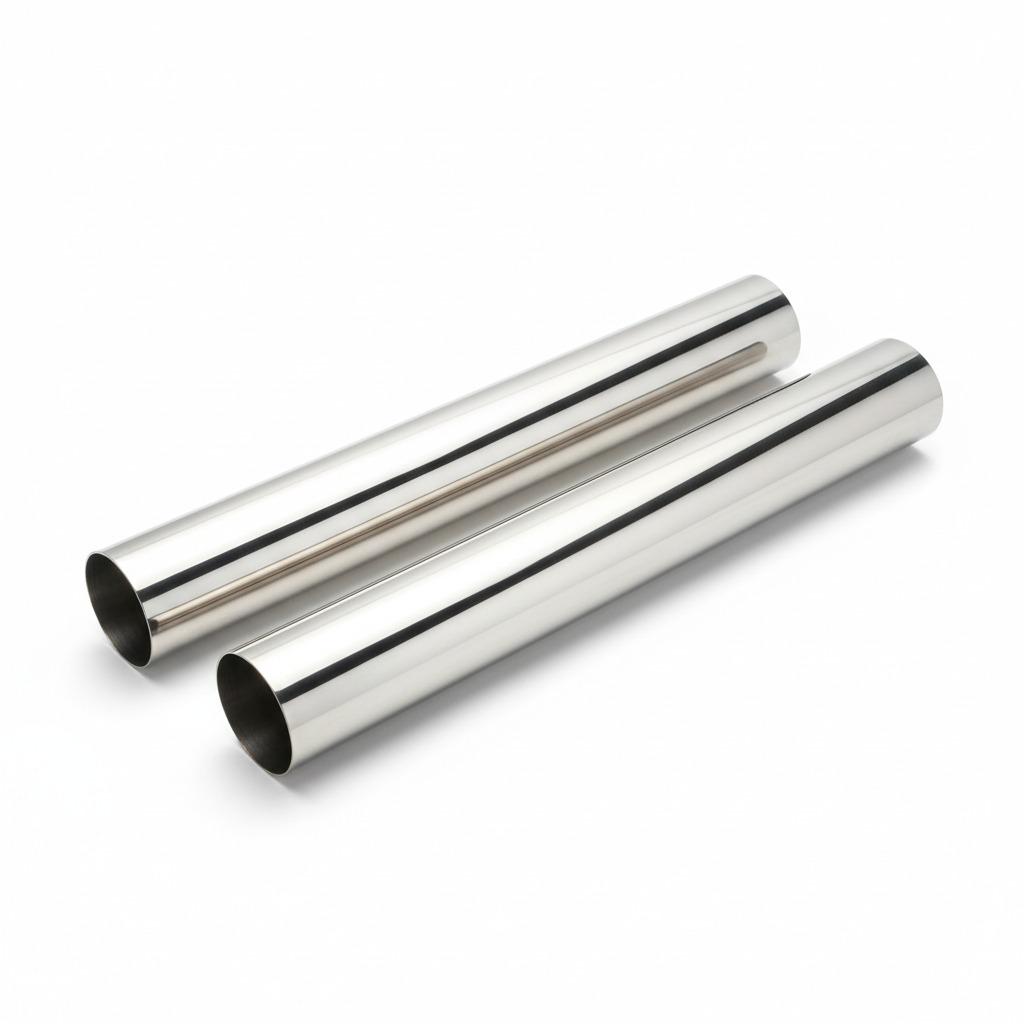
In the world of high-performance automotive components, understanding how stainless steel pipes are polished is essential for appreciating their role in enhancing vehicle efficiency and aesthetics. This process isn't just about shine; it's a meticulous craft that ensures durability and optimal function, particularly for products like the Speedway Exhaust Collector Extension Pipes. As an enthusiast who's seen too many subpar installations lead to premature failures, I firmly believe that proper polishing techniques separate the pros from the amateurs. These 3-1/2 inch by 40-inch extensions, made from high-quality steel, exemplify how polishing can transform a simple pipe into a powerhouse component for exhaust systems.
The Fundamentals of Polishing Stainless Steel Pipes
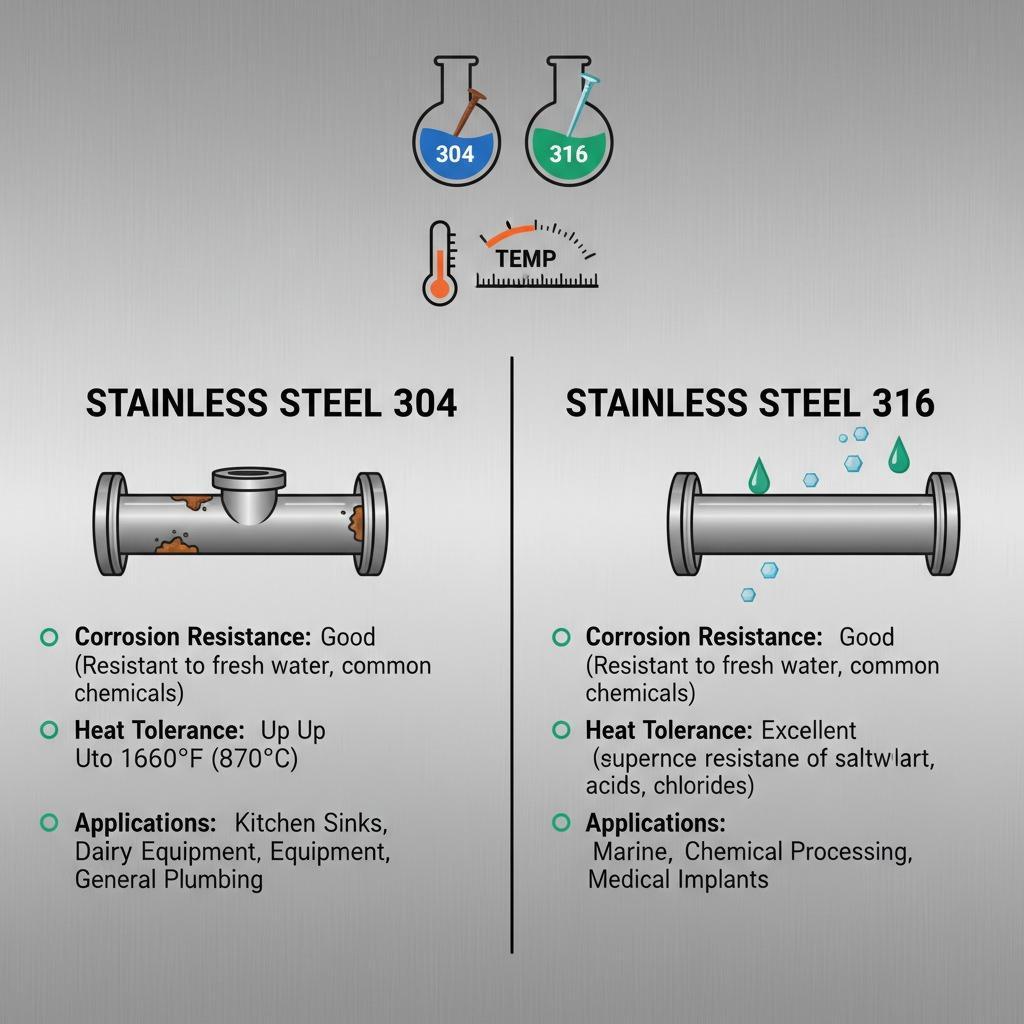
Polishing stainless steel pipes begins with selecting the right material, typically a grade like 304 or 316, known for their corrosion resistance. The process starts with mechanical abrasion using progressively finer grits of sandpaper or abrasive belts, often from 80 grit up to 400 or beyond, to remove surface imperfections. In my opinion, rushing this stage is a grave mistake—I've witnessed pipes that skipped thorough grinding develop micro-cracks under heat stress, compromising the entire exhaust setup. For a stainless steel pipe destined for automotive use, like those in racing applications, this initial buffing ensures a smooth base that won't harbor rust or debris, which could otherwise reduce airflow and engine performance.
Once the rough surface is smoothed, electropolishing takes center stage, a electrochemical method that dissolves a thin layer of metal uniformly, leaving a mirror-like finish without introducing stress points. This technique is superior to traditional mechanical polishing for pipes, as it reaches into welds and crevices that belts can't touch. Drawing from the span International pipes' design, which must withstand high temperatures and corrosive exhaust gases, electropolishing isn't just cosmetic—it's a non-negotiable step for longevity. Critics might argue it's overkill for street cars, but in high-stakes track environments, I've seen unpolished pipes fail spectacularly, leading to costly downtime.
Advanced Techniques and Tools for Superior Finishes
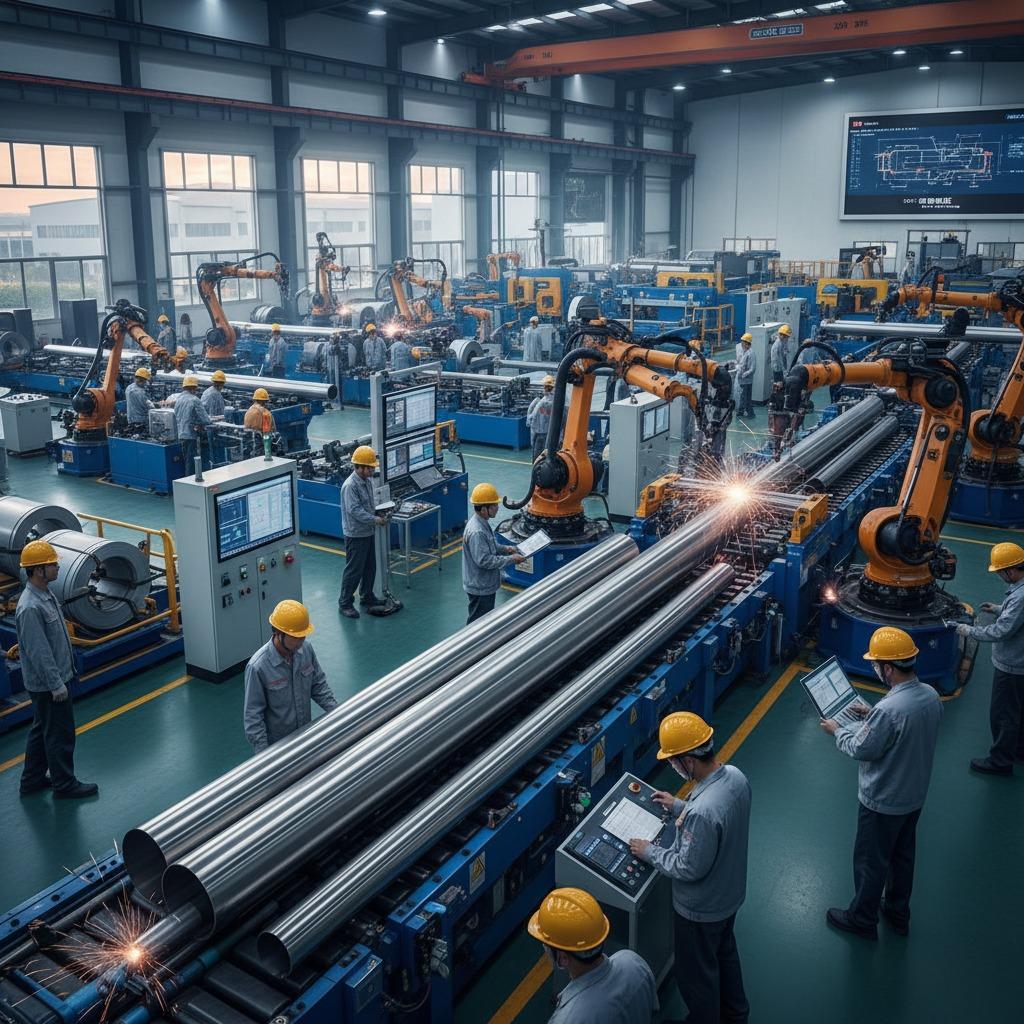
Beyond basics, specialized tools like orbital sanders and buffing wheels with compounds elevate the polish on a stainless steel pipe. For longer pieces such as 40-inch extensions, automated polishing machines rotate the pipe while applying felt wheels impregnated with polishing rouge, achieving a consistent satin or mirror finish. I advocate strongly for this automation in production lines; hand-polishing, while artisanal, often results in uneven surfaces that affect aerodynamics in exhaust flow. The span International Exhaust Collector Extension Pipes benefit immensely from such precision, their refined surface not only looking sleek under the hood but also minimizing turbulence for better engine output.
Vapor honing, another cutting-edge method, blasts a wet abrasive slurry onto the pipe's interior and exterior, ideal for cleaning and polishing in one go. This is particularly vital for pipe interiors, where exhaust residues can build up if not addressed. In my editorial view, manufacturers skimping on interior polishing are doing drivers a disservice—poor internal finishes lead to carbon buildup, reducing efficiency over time. For the span International product, this means seamless integration with existing systems, hassle-free installation, and sustained performance whether on the street or drag strip.
Why Polishing Matters: Durability, Aesthetics, and Performance
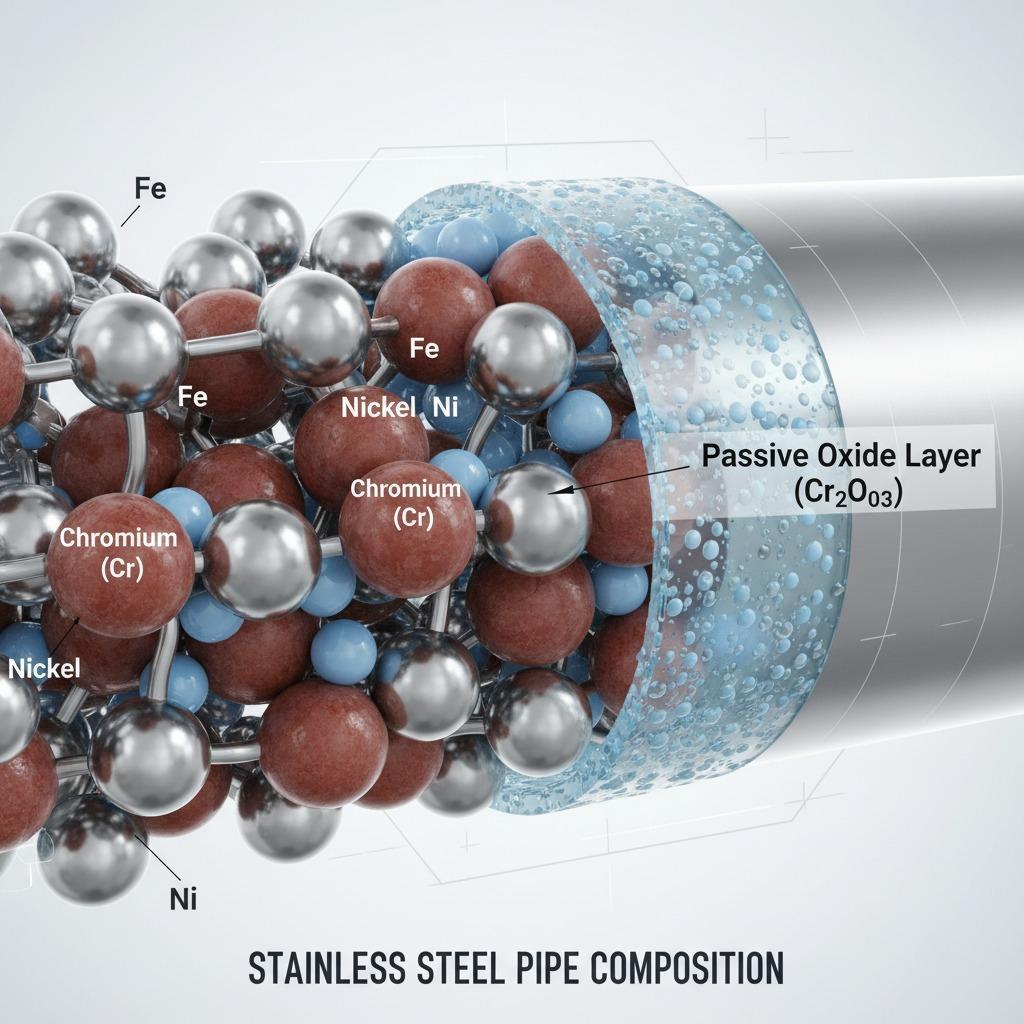
The true value of how stainless steel pipes are polished lies in the trifecta of durability, visual appeal, and functional enhancement. A well-polished pipe resists oxidation far better than its matte counterparts, especially in harsh automotive conditions. Take the Speedway extensions: their polished finish withstands the punishing heat of exhaust gases, preventing the pitting that plagues lesser components. I contend that in an era of disposable parts, investing in polished stainless steel is a smart, long-term choice for any performance build.
Aesthetically, there's no denying the allure of a gleaming pipe—it's a subtle brag of quality engineering that turns heads at car shows. Yet, beyond looks, polishing improves flow dynamics; smoother surfaces reduce friction, allowing exhaust to escape more efficiently, which can shave seconds off lap times. From my perspective, ignoring polishing in pipe selection is akin to tuning an engine without balancing it—pointless and potentially disastrous. These extensions, crafted for hot rods and racers, deliver unmatched style and reliability, proving that thoughtful polishing elevates everyday components to elite status.
Challenges and Innovations in Pipe Polishing
Polishing stainless steel pipes isn't without hurdles; maintaining consistency on long, tubular shapes demands expertise and equipment. Weld seams, often a weak point, require extra attention to avoid darkening during polishing, which can be mitigated with pickling pastes post-weld. I've always pushed for eco-friendly innovations here—traditional chemical polishes are harsh, but newer water-based alternatives are gaining traction, reducing environmental impact without sacrificing results.
Looking ahead, laser polishing emerges as a game-changer, using focused beams to melt and reflow the surface for ultra-smooth finishes. For products like the Speedway pipe, this could mean even thinner walls without strength loss, optimizing weight for better vehicle handling. As an opinionated observer, I see this as the future: faster, greener, and more precise, ensuring stainless steel pipes not only perform but redefine automotive standards.
Practical Tips for Polishing Your Own Pipes
If you're a DIY enthusiast tackling a stainless steel pipe project, start with safety gear and a stable setup. Use a variable-speed polisher to control heat buildup, which can warp thin metals. Apply compounds in stages—coarse for removal, fine for shine—and always clean between passes to avoid contamination. For extensions like those from span International, focus on both ends for perfect mating surfaces. My advice? Don't cut corners; a subpar polish invites failure, while a masterful one yields pride and performance.
In conclusion, mastering how stainless steel pipes are polished is key to unlocking their full potential in automotive applications. From the robust, polished span International Exhaust Collector Extension Pipes to custom builds, this process embodies craftsmanship that demands respect. As we push vehicles to their limits, let's champion quality polishing—it's not just about the shine; it's about the substance that keeps us moving forward.