

In the vast world of industrial materials, few components are as fundamental and versatile as the stainless steel pipe. This essential product forms the backbone of countless applications, from massive infrastructure projects to intricate manufacturing processes. Its widespread use is a testament to its remarkable combination of strength, longevity, and resistance to environmental degradation. Among the many available grades, one stands out for its balanced properties and broad utility, making it a go-to choice for engineers and fabricators worldwide.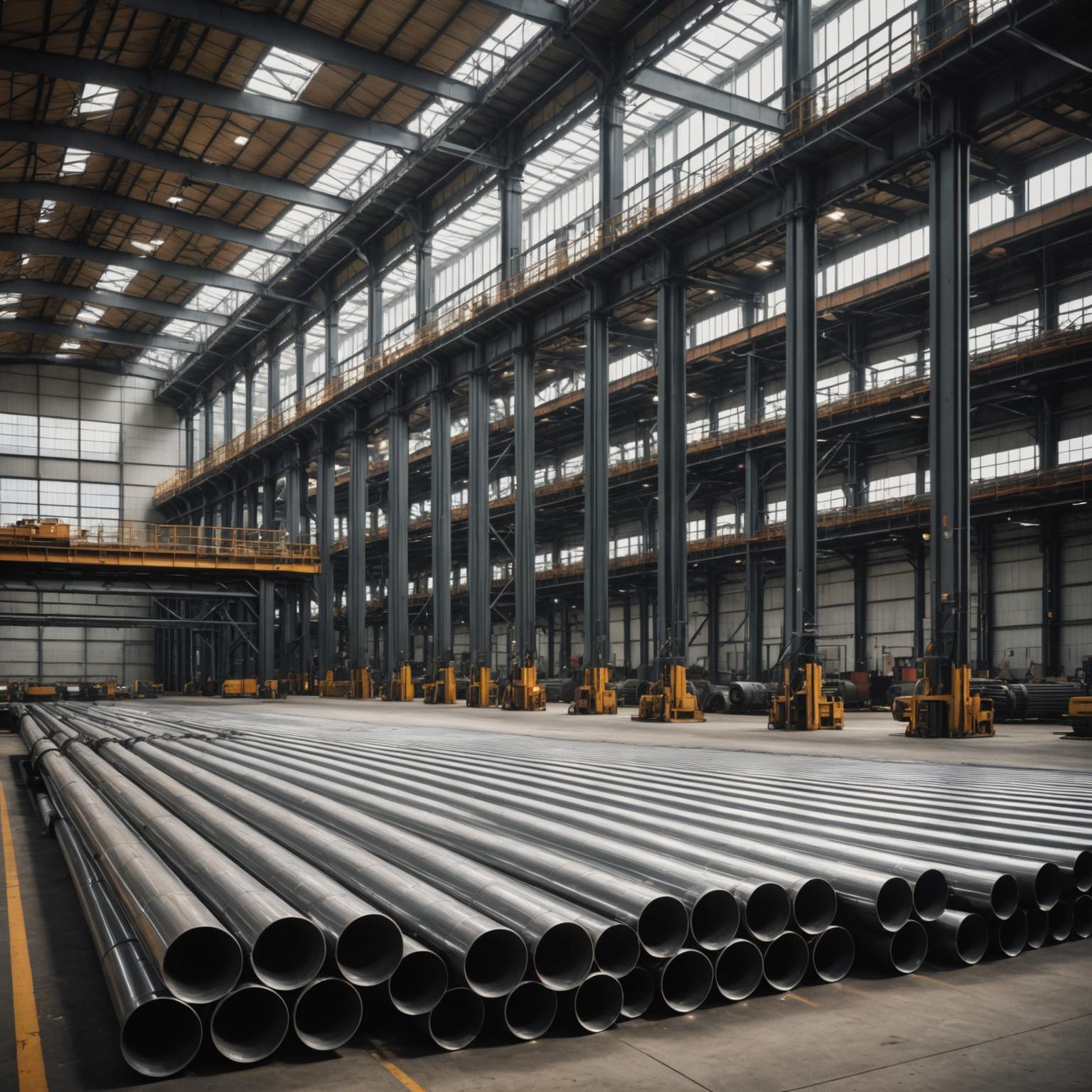
Understanding Grade 304 Stainless Steel
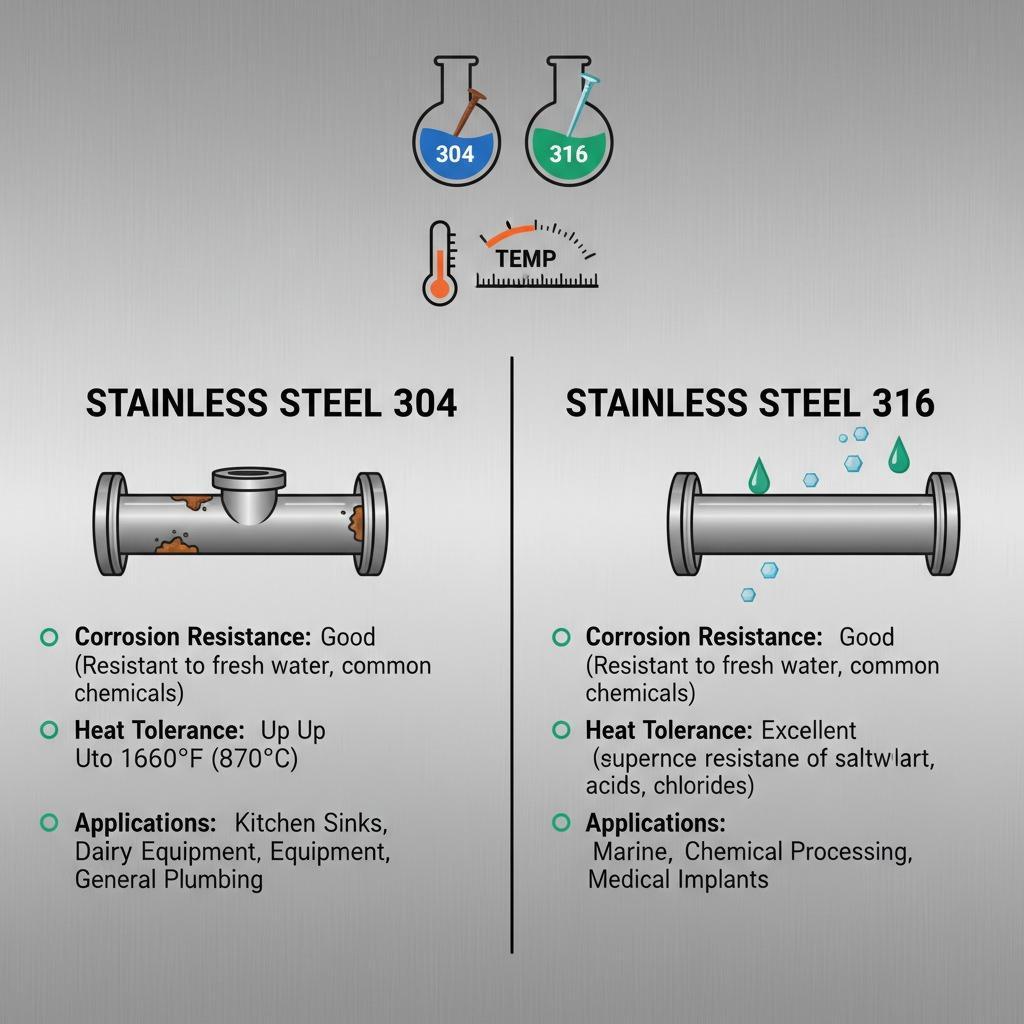
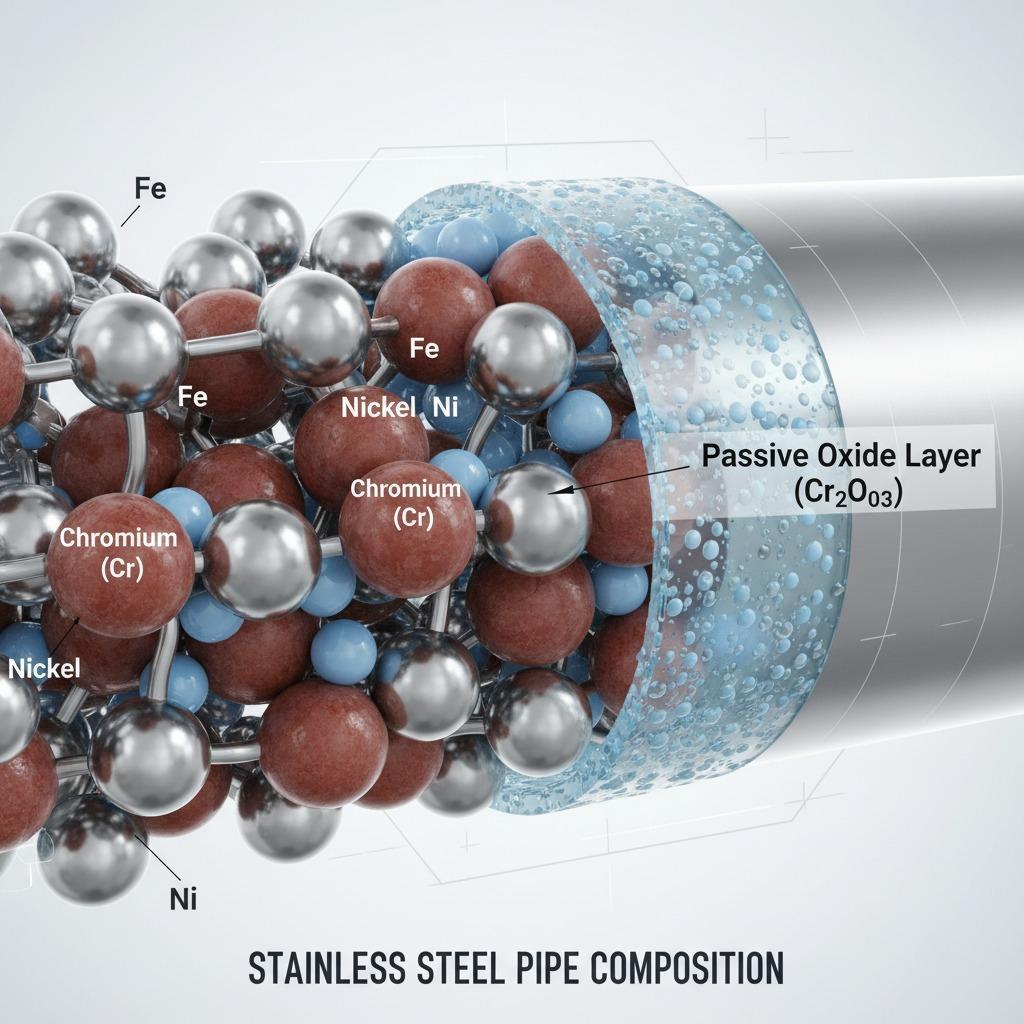
The most widely used and recognized grade is the 304 stainless steel. This austenitic stainless steel contains a minimum of 18% chromium and 8% nickel, with a maximum of 0.08% carbon. This specific chemical composition is the key to its exceptional performance. The chromium content provides a passive layer of chromium oxide that protects the surface from corrosion and rust, which is crucial in harsh or moist environments. The nickel enhances its formability and toughness, allowing the material to be shaped and welded without compromising its structural integrity. This balance makes the 304 grade an incredibly versatile and reliable material, suitable for a vast array of demanding conditions. It delivers a cost-effective solution without sacrificing the high performance expected from a premium alloy, solidifying its position as an industry standard.
Key Properties and Advantages
The popularity of 304 stainless steel pipes stems from a collection of highly desirable properties. First and foremost is its excellent corrosion resistance. It can withstand oxidation from a wide variety of chemicals, acids, and atmospheric conditions, ensuring long-term durability and minimal maintenance. Another significant advantage is its exceptional formability and weldability. The material can be easily bent, cut, and welded into complex configurations, providing unmatched adaptability for diverse project requirements. Furthermore, it maintains its strength and impact resistance across a wide range of temperatures, from cryogenic levels to elevated heat. This combination of durability, workability, and resilience makes it an invaluable asset in sectors that demand optimum performance under pressure, such as in high-capacity fluid transport systems.
Diverse Applications Across Industries
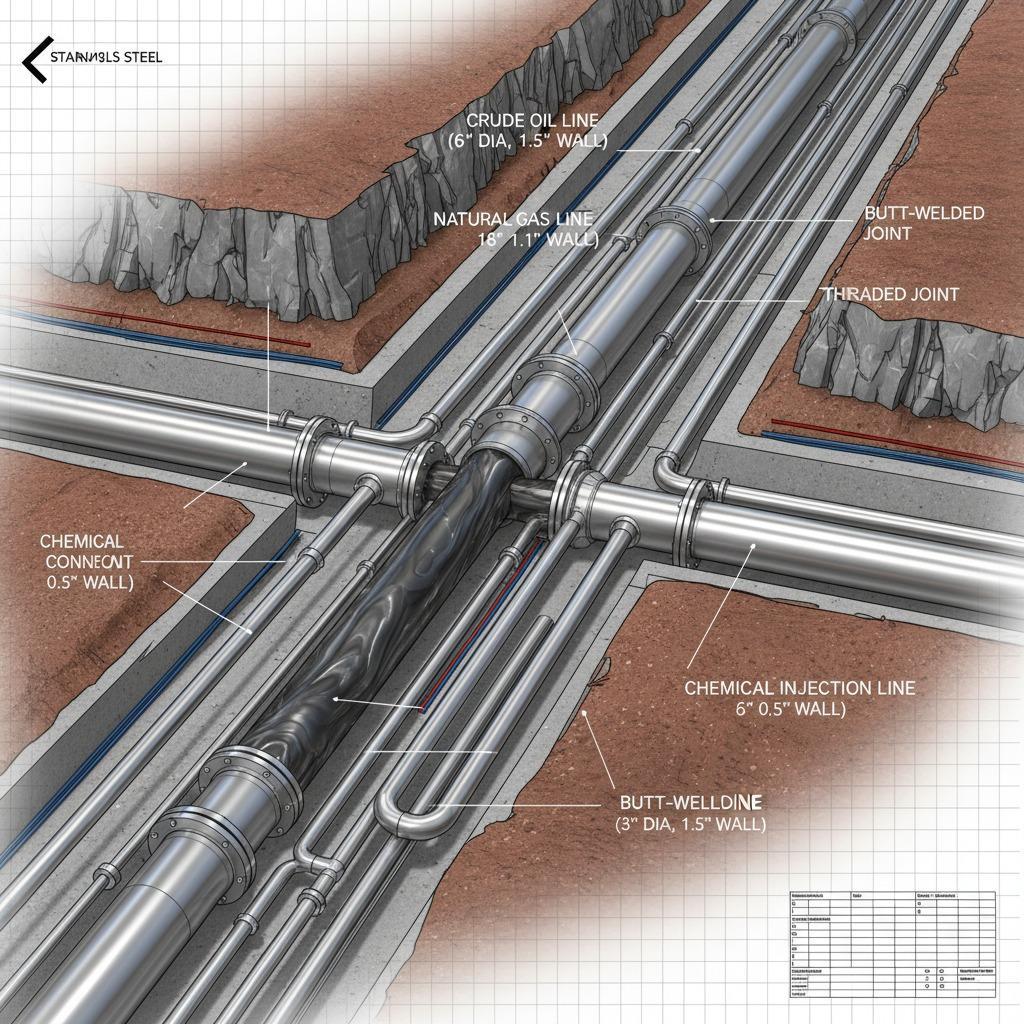
The adaptability of a quality stainless steel pipe, particularly the 304 grade, allows it to be used in a nearly endless list of applications. In the oil and gas industry, it is used for pipelines and processing equipment due to its ability to handle corrosive substances and high pressures. Similarly, chemical processing plants rely on it for transporting aggressive fluids without risk of contamination or degradation. The food and beverage industry widely uses it for piping, tanks, and processing equipment because it is non-reactive, easy to clean, and prevents bacterial growth, ensuring product purity. It's also a cornerstone of water management systems, from large-scale municipal water treatment plants to residential plumbing, thanks to its resistance to rust and environmental corrosion. Beyond fluid transport, its aesthetic appeal and structural strength make it a popular choice for architectural features, railings, and structural frameworks in modern construction.
Manufacturing Excellence and Quality Assurance
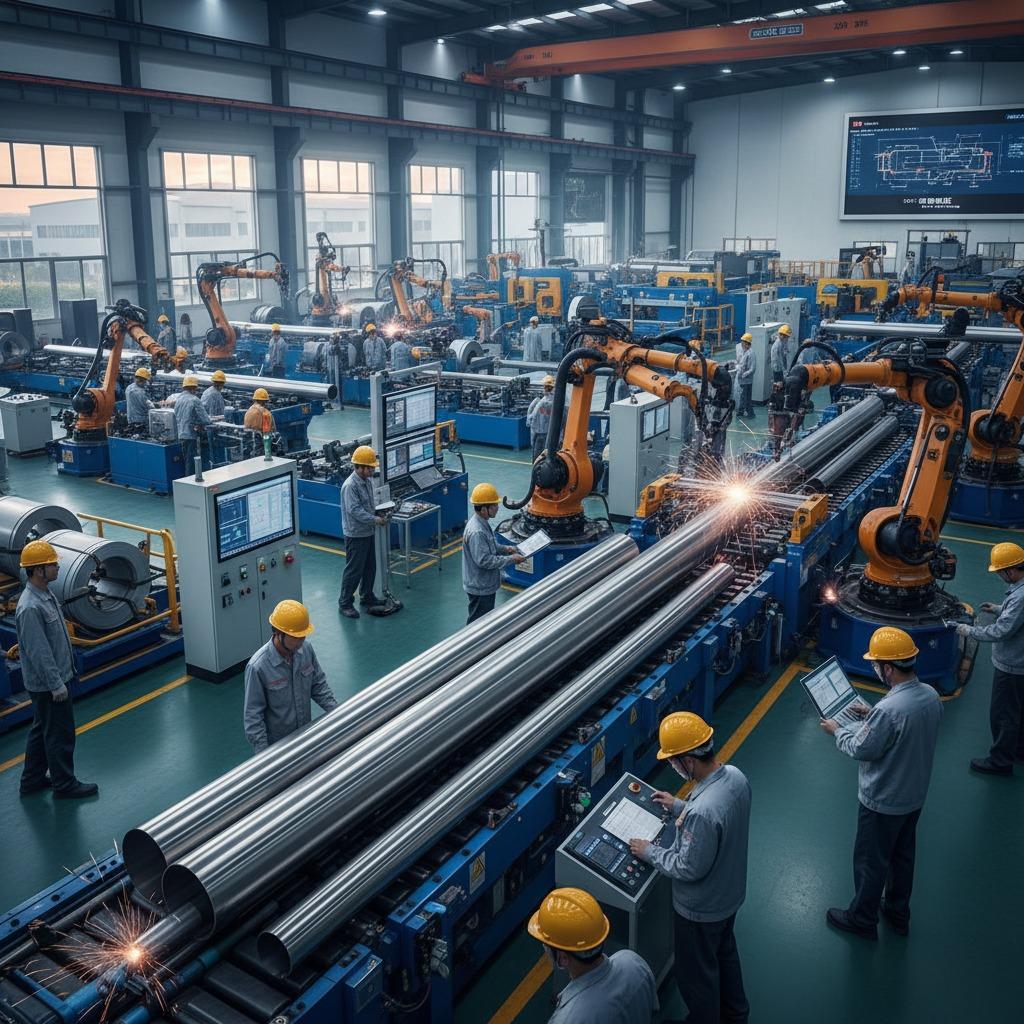
Producing a high-quality pipe requires a sophisticated and precise manufacturing process. Modern facilities utilize state-of-the-art technology to ensure every pipe meets an exacting set of standards. The process often begins with premium-grade steel alloys that are meticulously formed and welded to create a seamless finish. This seamless design is critical as it minimizes friction loss for optimal fluid flow and significantly reduces the risk of leaks, enhancing overall system integrity. Throughout production, rigorous quality control checks are performed to verify dimensions, structural soundness, and material composition. The result is a precision-engineered product with a sleek, polished surface that not only looks impressive but also serves as a visual confirmation of its superior corrosion resistance and the cutting-edge technology behind its creation. This commitment to quality ensures that each pipe delivers on innovation, sustainability, and dependability for decades to come.