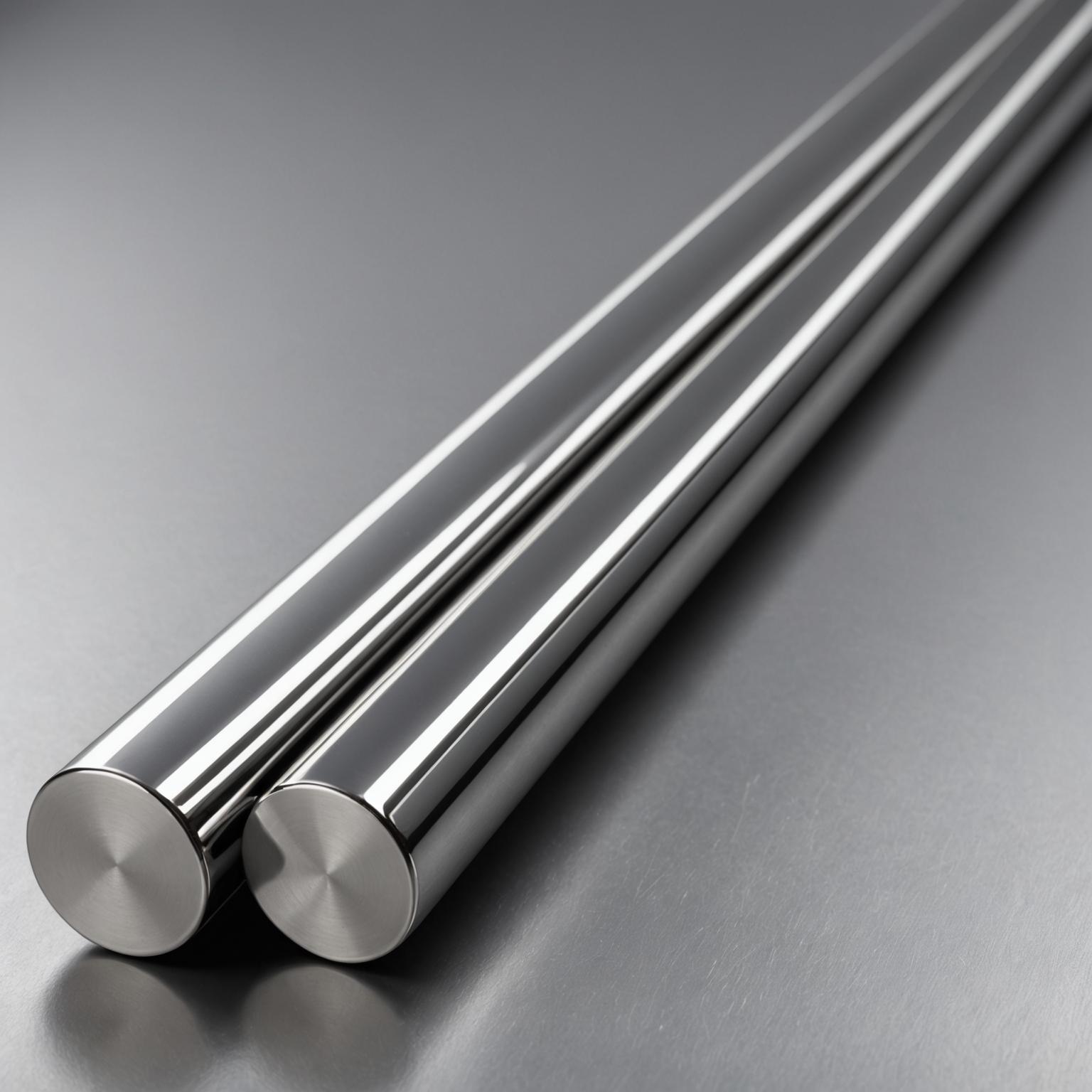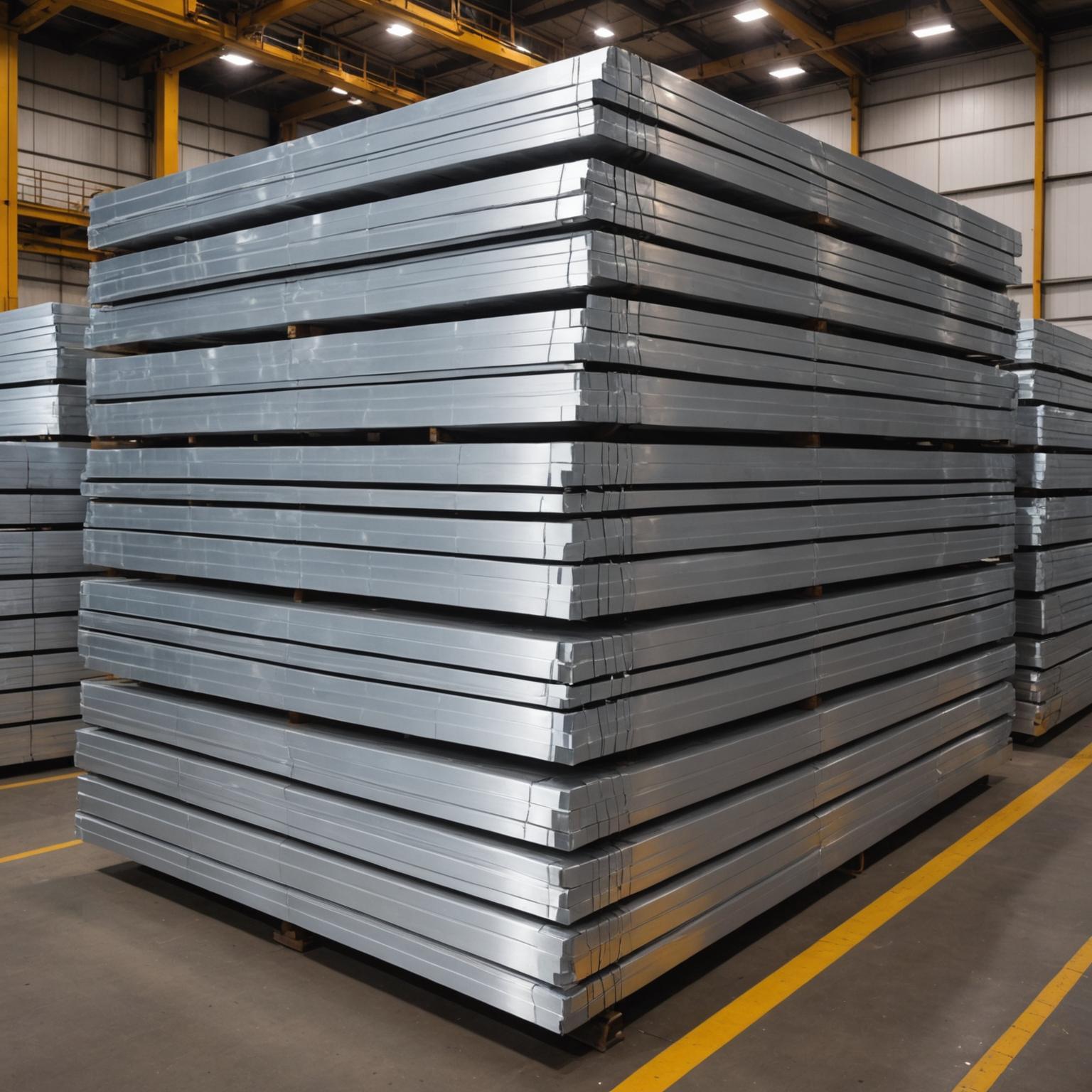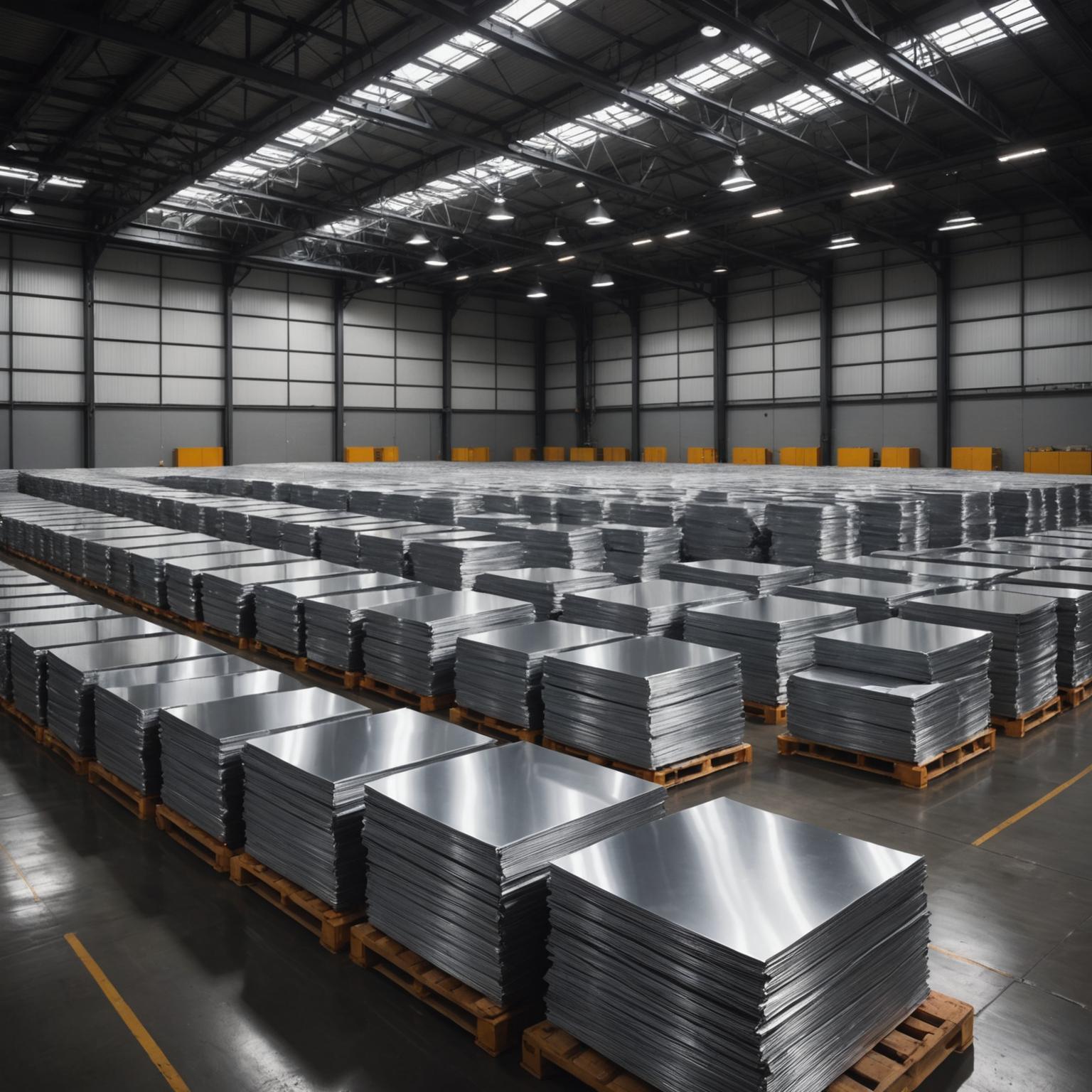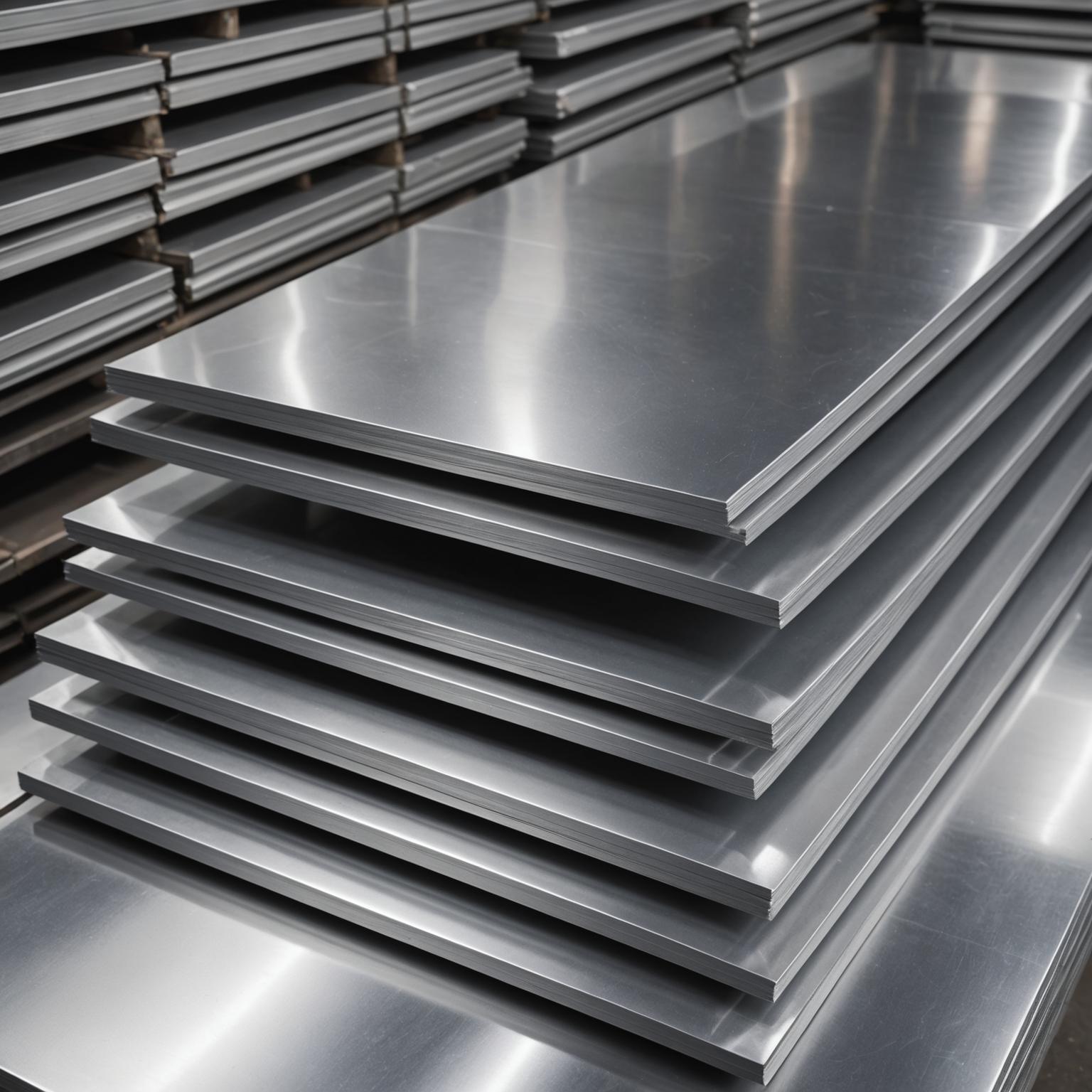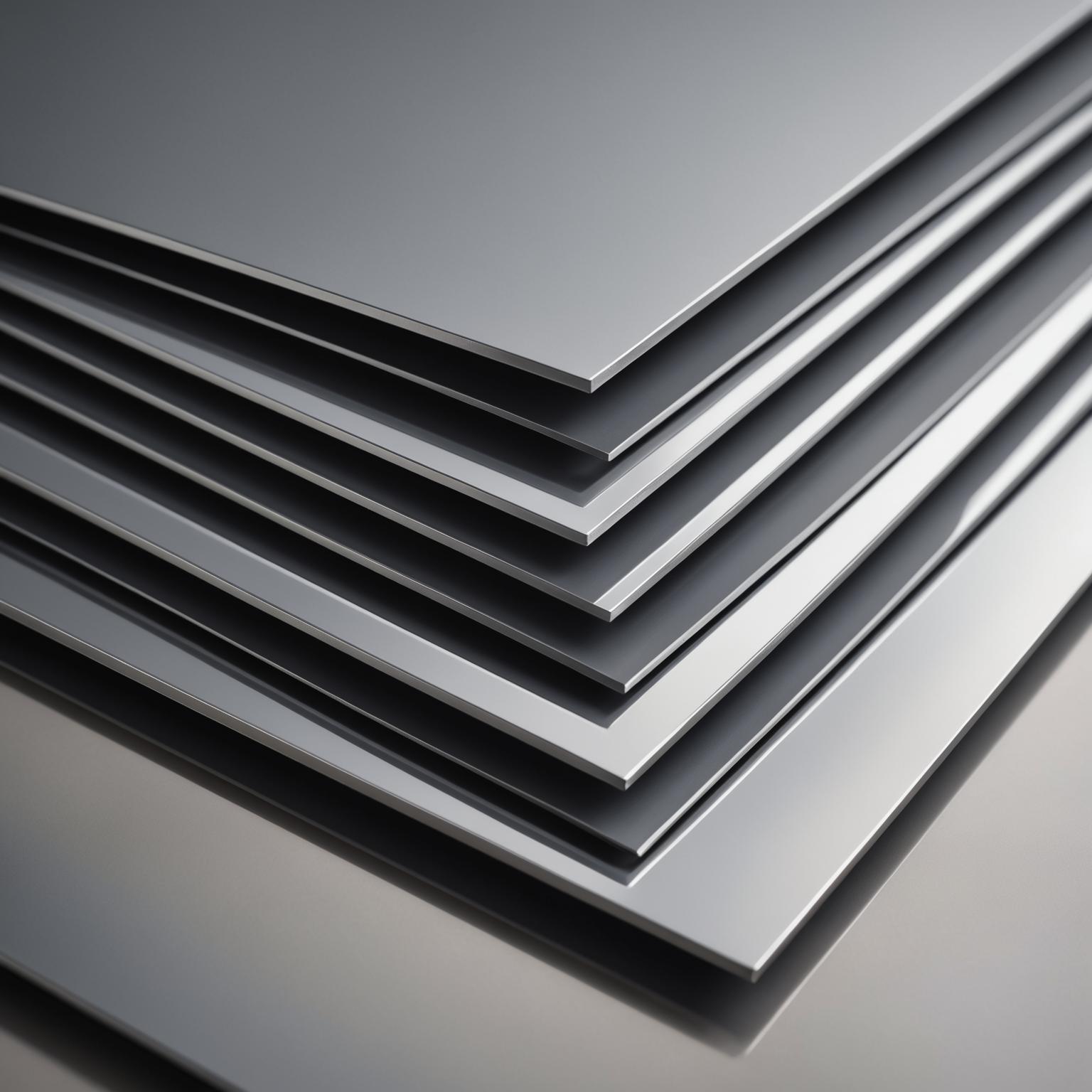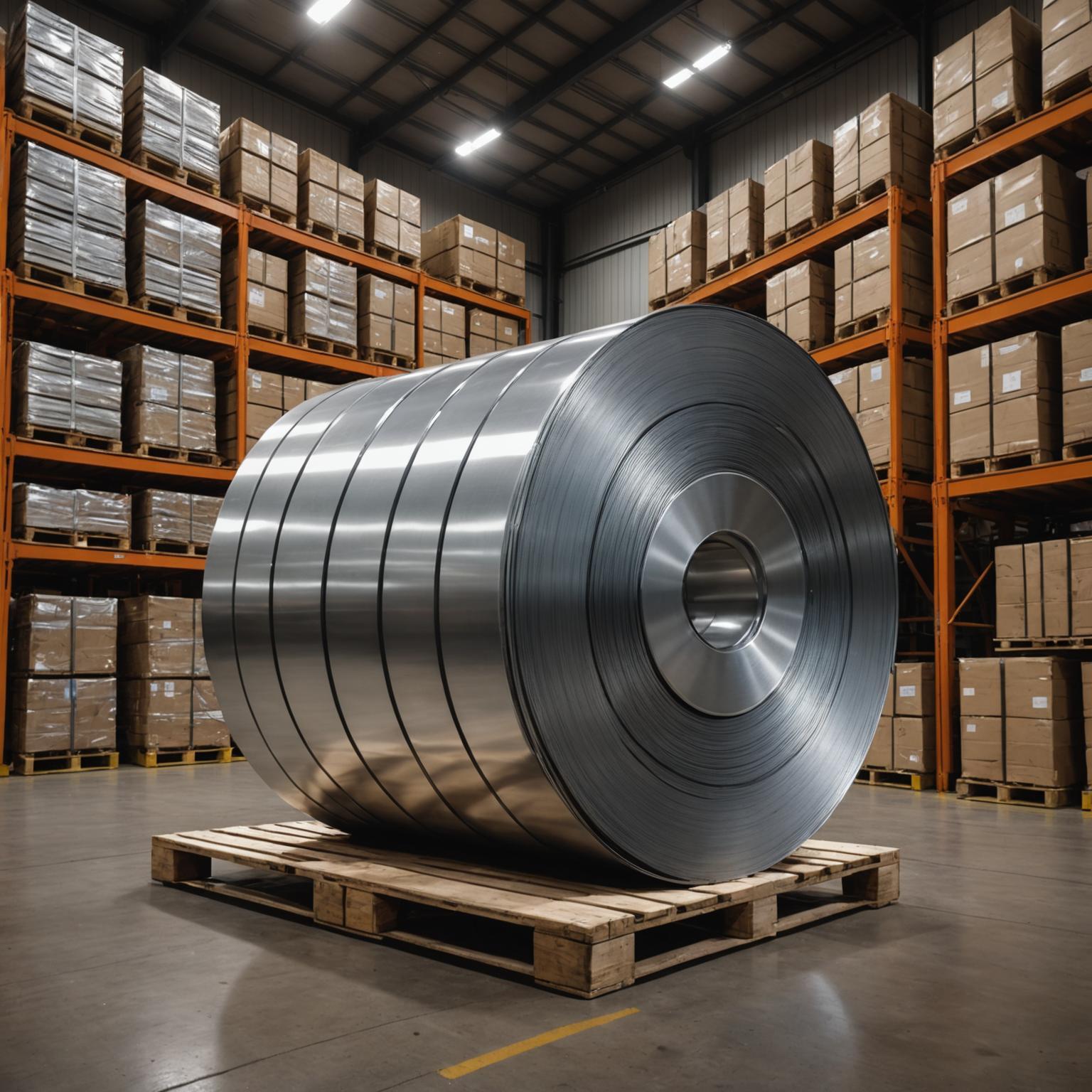


Understanding stainless steel coils: judging material types
In today's industrial landscape, stainless steel coils are essential, with a fusion of strength, corrosion resistance and stylish aesthetics. However, there are challenges when determining the material type - especially if it is 304 or 201 stainless steel. This difference is crucial because each type meets different industrial needs and standards. To help guide your choices and accurately judge materials, we will explore key attributes within the field of stainless steel coils. 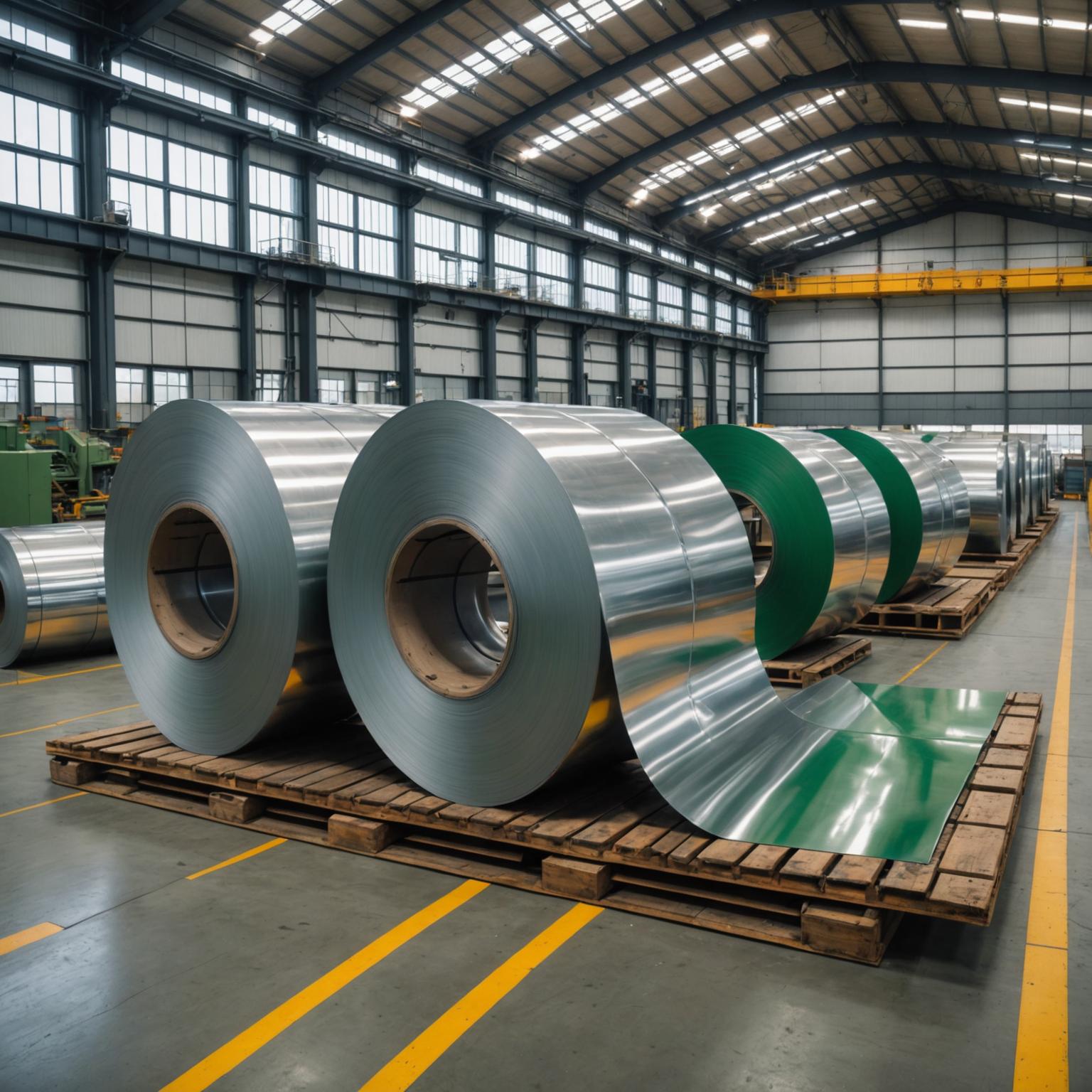
304 vs. 201 Stainless Steel: Key Differences and Applications
To identify “is it a 304 or 201 material?”, it is necessary to understand the different characteristics inherent in each type. 304 stainless steel is known for its excellent corrosion resistance and is commonly used in moisture and rust environments. This makes it particularly suitable for outdoor applications, marine environments and food processing equipment.
On the other hand, 201 still has strong resistance due to its low nickel content, 201 still provides strong resistance. It is commonly used in domestic environments, decorative applications, as well as some automotive components, where corrosion factors are less positive. **How to judge the type involves evaluating the cost, intended use and environment of the material. If you need aesthetic integrity and cost efficiency in less corrosive environments, 201 can effectively meet your needs.
Select the right stainless steel coil for your needs
Whether you need obvious rust or you are considering budget constraints, it is crucial to recognize a variety of applications. The flexibility of 304 and 201 allows for use in various industries, but practical application-specific evaluation is necessary.
The luxurious finishes of these coils make them an aesthetic choice for architectural projects, certain consumer goods and vibrant industrial design. **Ladies and gentlemen** choose these factors for advanced, consistent and effective materials for the project to ensure the right stainless steel type is selected according to project needs to maintain durability and aesthetic appeal.
Ultimately, contacting suppliers that offer carefully produced stainless steel coils, such as those that are easy to transport due to excellent structural integrity, ensures that each option can enhance reliability and long-term performance. Integrating the most appropriate coil types directly supports project success, aligning with commitment to quality and innovative industrial processes.