

Introduction: Exploring Lifespan of Different Pipes
When choosing piping materials for various applications, two commonly considered options are stainless steel pipes and galvanized pipes. A question frequently asked is: whose lifespan is longer? To determine the most reliable choice, it's important to consider their inherent properties, application suitability, and performance under different environmental conditions. This comparison and contrast will provide valuable insights for making an informed decision.
Stainless Steel Pipes: Strength and Durability
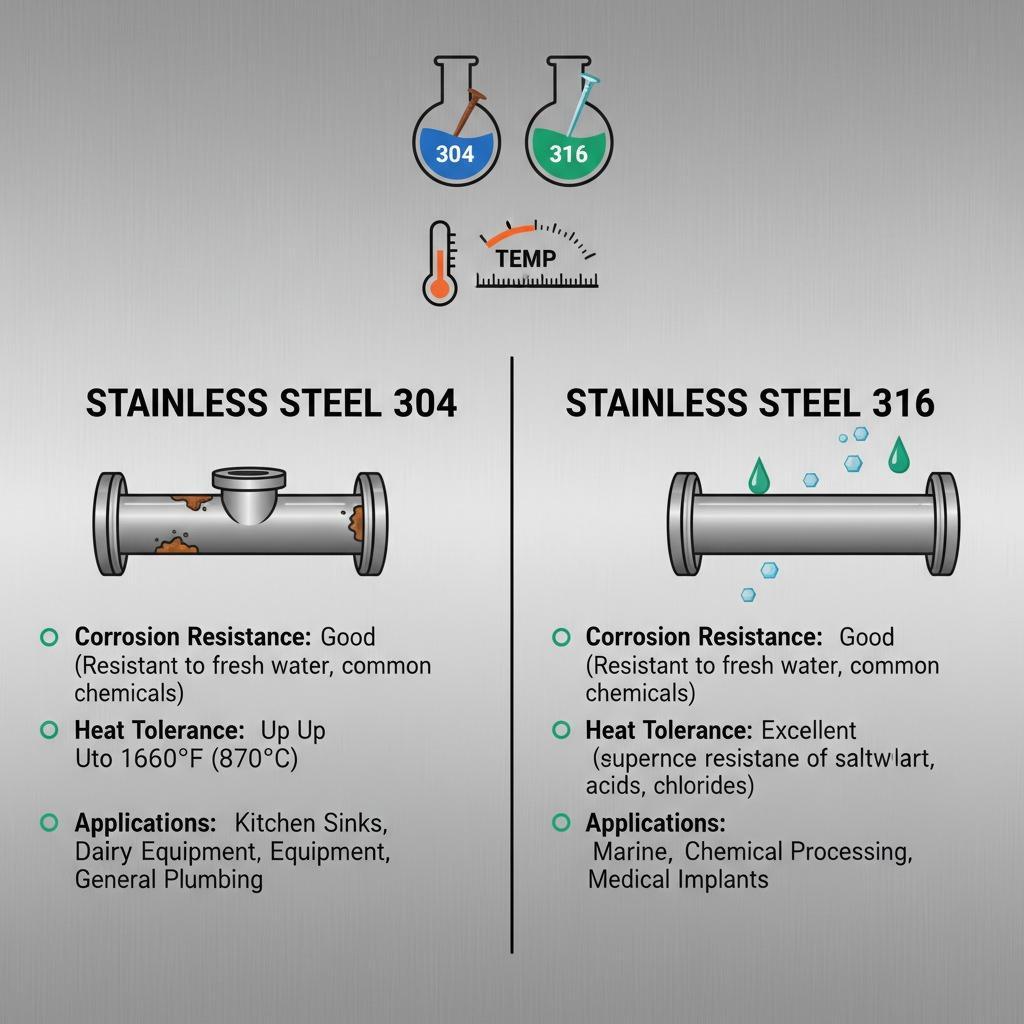
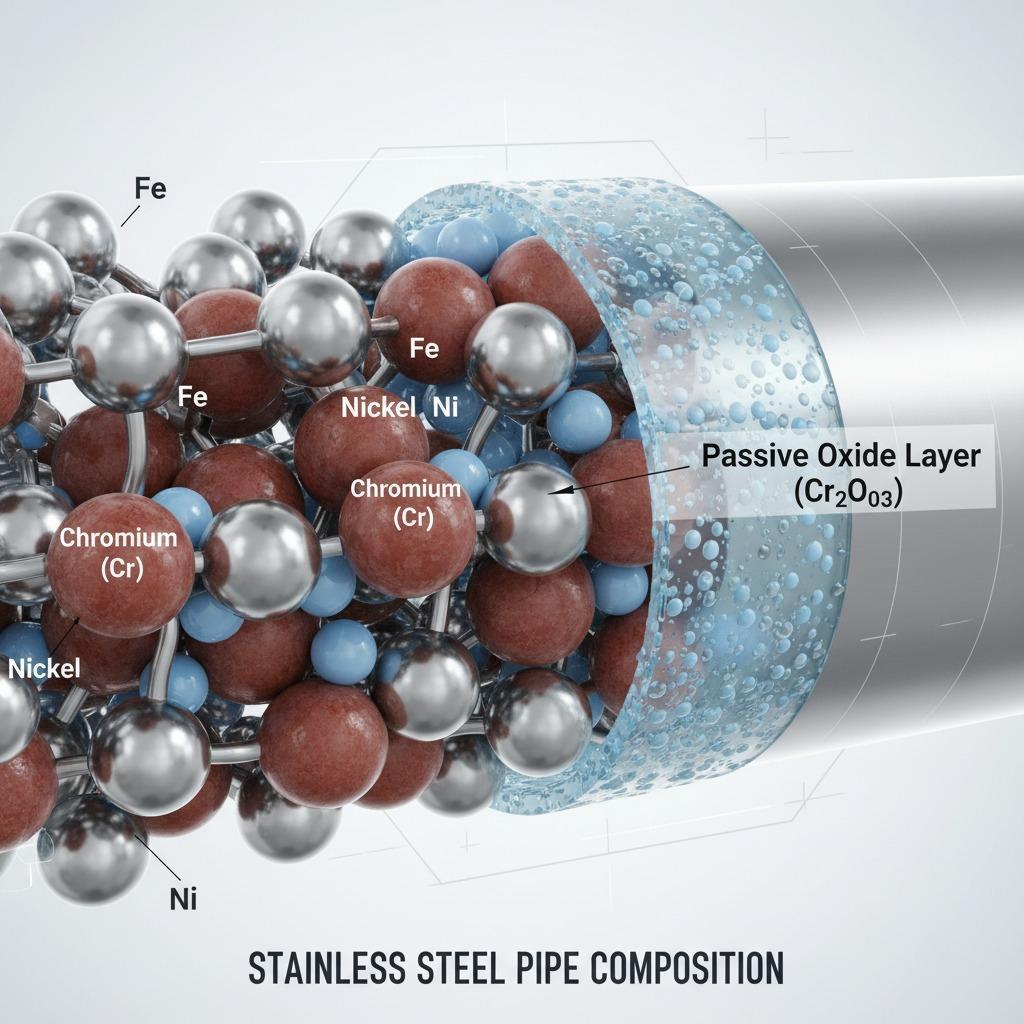
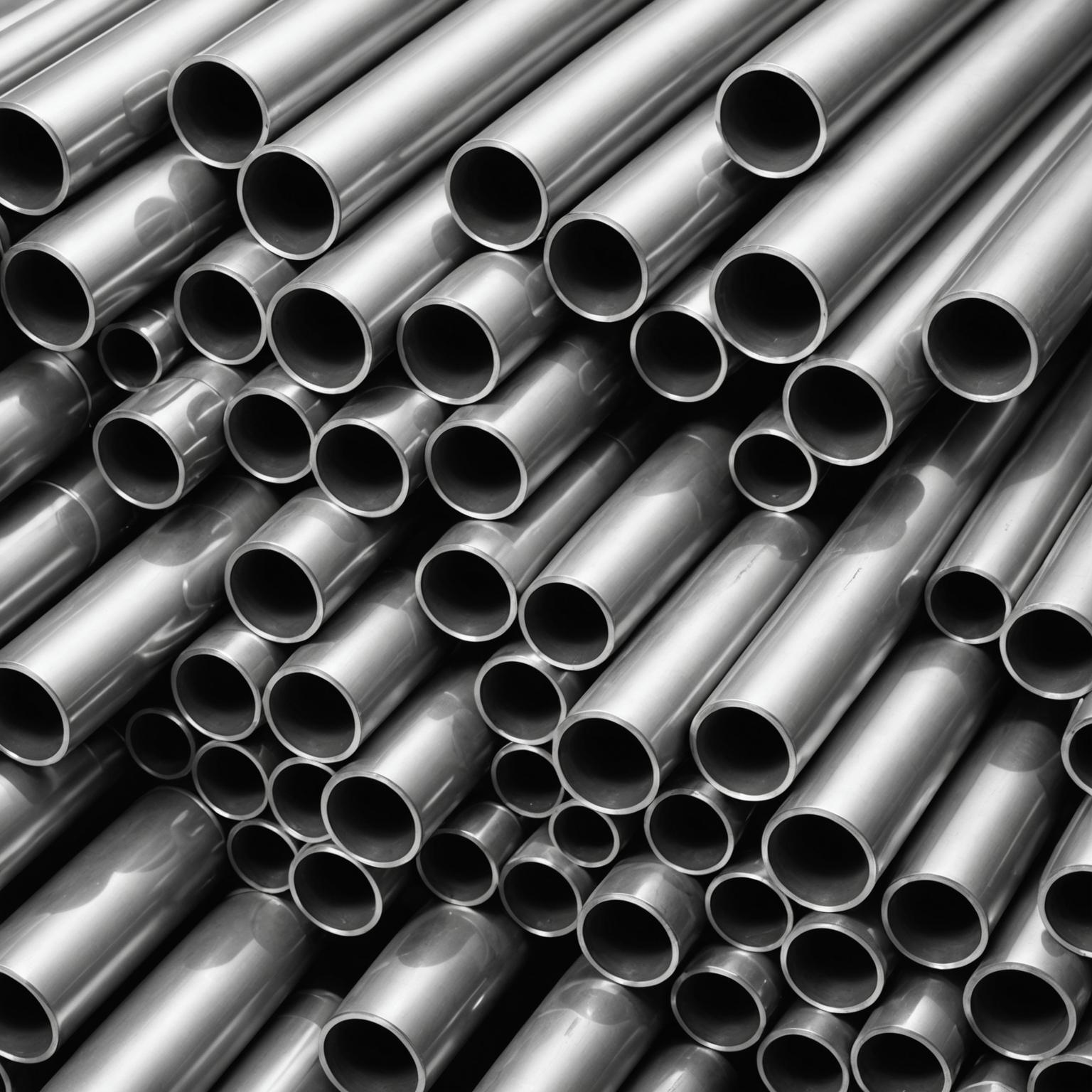
Stainless steel pipes, renowned for their exceptional lifespan, are crafted from premium-grade stainless steel. These pipes reveal unparalleled strength, durability, and especially corrosion resistance, making them ideal for environments exposed to moisture and varying temperatures. Their incredible resilience contributes significantly to their long lifespan, often outlasting other materials by a considerable margin. In addition to their robustness, stainless steel pipes boast a sleek and sophisticated finish, seamlessly integrating into both industrial and architectural projects with elegance and modernity. Whether for structural or aesthetic purposes, these pipes exemplify the perfect harmony of form and function, standing as a testament to high-performance engineering and design excellence.
Galvanized Pipes: Practicality and Cost-effectiveness
Galvanized pipes, on the other hand, are coated with a layer of zinc to protect against corrosion. While this provides good resistance, it is generally less effective over an extended period compared to stainless steel. These pipes are widely used for lower-cost applications where extreme durability is not a primary requirement. The typical lifespan of galvanized pipes is shorter, primarily because the zinc layer wears off over time, leaving the underlying material susceptible to rust and degradation. Their initial affordability makes them a practical choice for certain projects, but they often require more frequent replacement and maintenance, particularly in harsh environments.
Comparing Lifespans: Who is Longer?
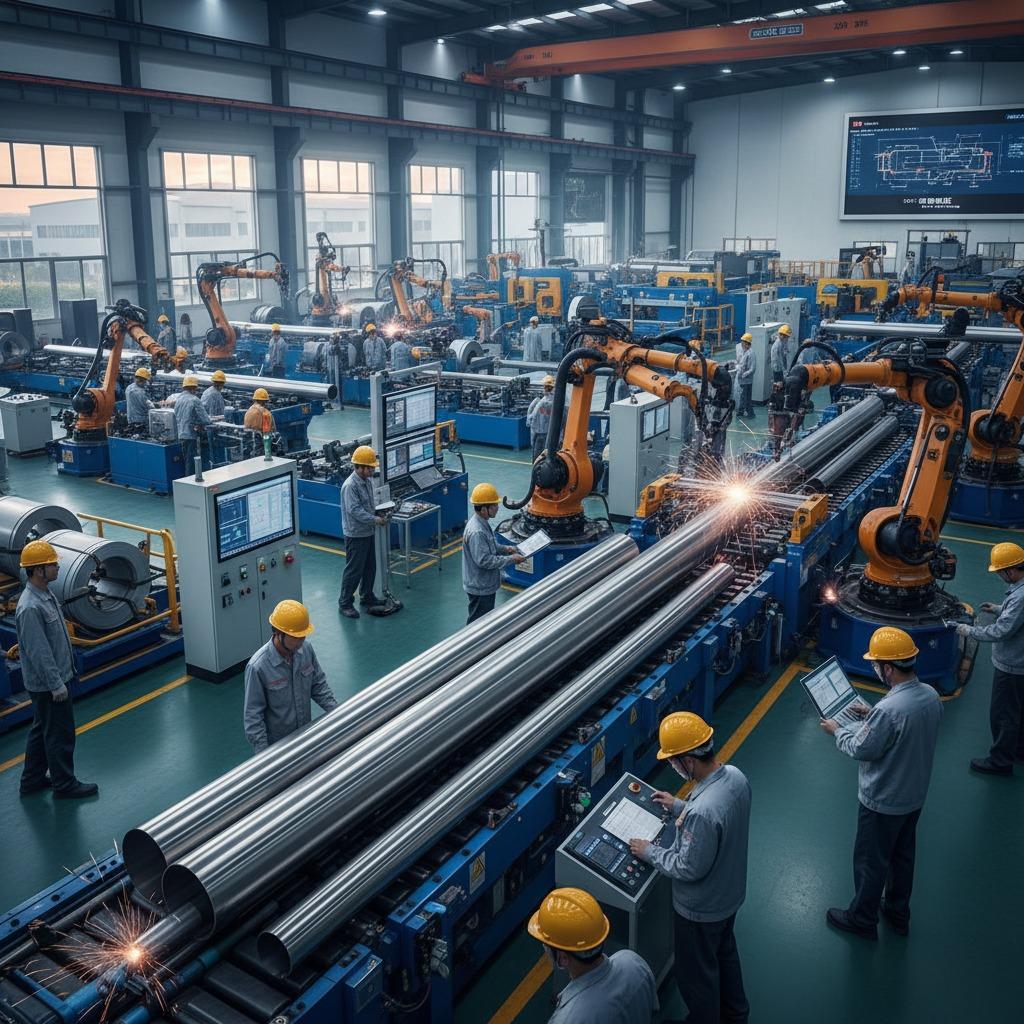
When comparing the lifespans of stainless steel pipes and galvanized pipes, stainless steel emerges as the superior choice. The premium-grade stainless steel used in these pipes ensures they maintain their integrity and luster over time, withstanding wear and corrosion far better than galvanized pipes. The precision engineering of stainless steel pipes guarantees uniformity in thickness and diameter, ensuring consistent quality and longevity across applications. Conversely, the protective zinc coating on galvanized pipes is prone to deteriorate, shortening their effective lifespan, especially in moisture-rich or salty environments. Therefore, for projects demanding long-term reliability and minimal maintenance, stainless steel pipes offer a more sustainable solution.
Application Suitability and Versatility
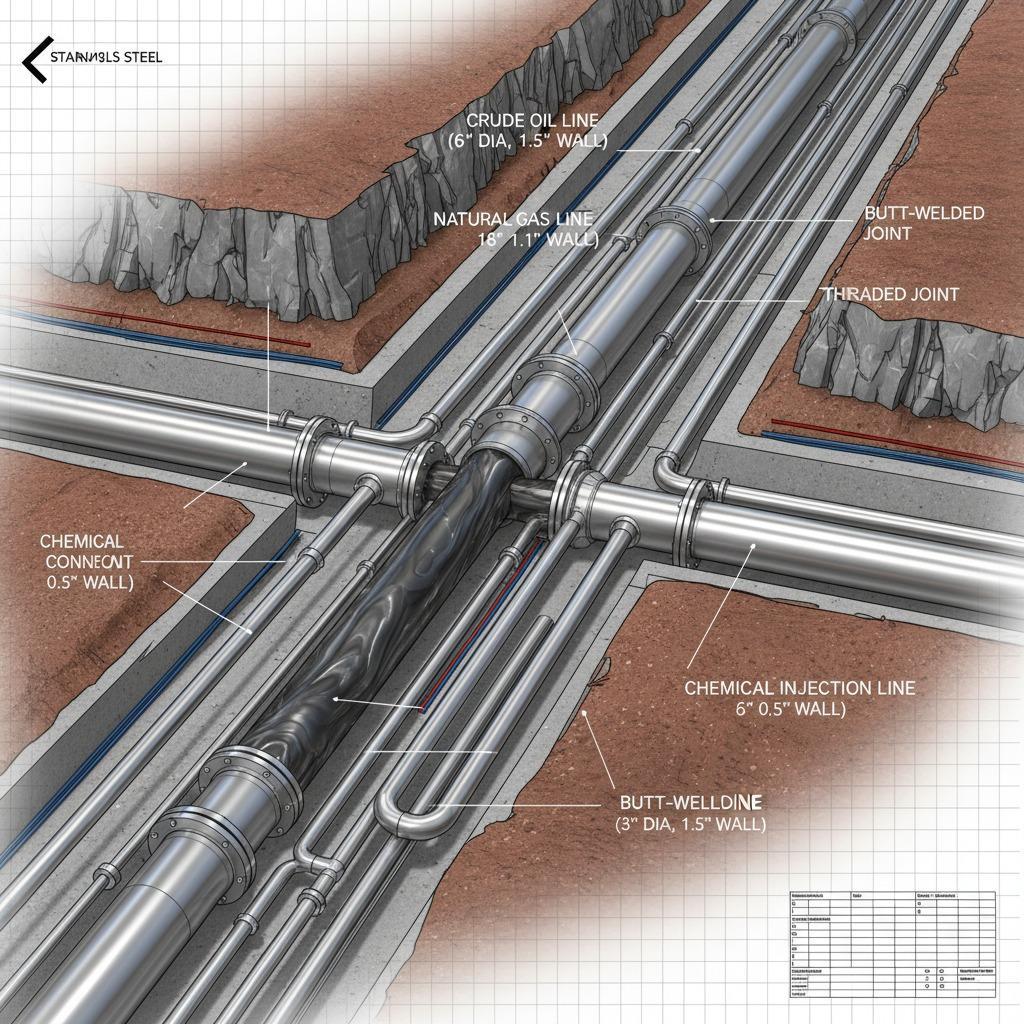
Another critical factor in deciding between stainless steel and galvanized pipes is their application suitability. Stainless steel pipes are versatile, fitting seamlessly into both industrial infrastructures and sophisticated architectural designs. The aesthetic appeal of their sleek surface, coupled with extraordinary corrosion resistance, makes them perfect for visible installations and cutting-edge furniture designs. On the other hand, galvanized pipes, with their practical affordability, are often reserved for projects where cost savings take precedence over longevity and maintenance concerns. These pipes are suitable for temporary installations or less demanding environments where frequent replacements can be anticipated.
Environmental Considerations and Sustainability
Sustainability is an increasing priority in material selection processes. Stainless steel pipes are noteworthy for their eco-friendly properties—being fully recyclable. Their longevity reduces waste and underscores a commitment to sustainable construction practices. In contrast, galvanized pipes, while recyclable, face environmental impact challenges due to the degradation of their zinc coating over time. The frequent need for replacement not only incurs higher long-term costs but also contributes to greater material waste and environmental burdens. Therefore, from a sustainability perspective, stainless steel pipes represent a more responsible choice for environmentally-conscious projects.
Cost Analysis: Initial Investment Versus Longevity
An analysis of the cost-effectiveness between stainless steel and galvanized pipes should balance initial cost against lifespan and ongoing maintenance. Stainless steel pipes, with their robust features and extended lifespan, justify a higher initial investment by significantly reducing the frequency of replacement and maintenance costs. Despite the higher upfront expenditure, the long-term savings and enduring performance consolidate stainless steel pipes as a cost-efficient option over time. Galvanized pipes, initially cheaper, may appear attractive for budget-conscious projects; however, the cumulative costs of successive replacements, repairs, and potential project downtimes due to pipe failures may offset the initial savings.
Conclusion: Making the Best Choice
Selecting between stainless steel pipes and galvanized pipes ultimately hinges on project-specific requirements, factoring in lifespan, durability, cost, and environmental impact. Stainless steel pipes stand out due to their unparalleled strength, corrosion resistance, and prolonged lifespan, making them the prudent choice for high-stakes, longevity-oriented applications. Galvanized pipes, although more economical initially, may fall short in long-term performance, especially under demanding conditions. Therefore, for projects demanding excellence, reliability, and sustainability, investing in stainless steel pipes proves to be the superior choice, ensuring not only immediate functionality but also enduring satisfaction and structural integrity.