

Learning how to prevent stainless steel pipe corrosion is essential for anyone working in industries from construction and architecture to manufacturing and aerospace. Stainless steel is renowned for its strength, durability, and clean aesthetic, making it a preferred material for countless applications. However, a common misconception is that it is completely immune to corrosion. While it is highly resistant, certain conditions can compromise its integrity, leading to costly damage and system failures. By understanding the mechanisms behind corrosion and implementing proactive strategies, you can significantly extend the lifespan and maintain the performance of your stainless steel piping systems.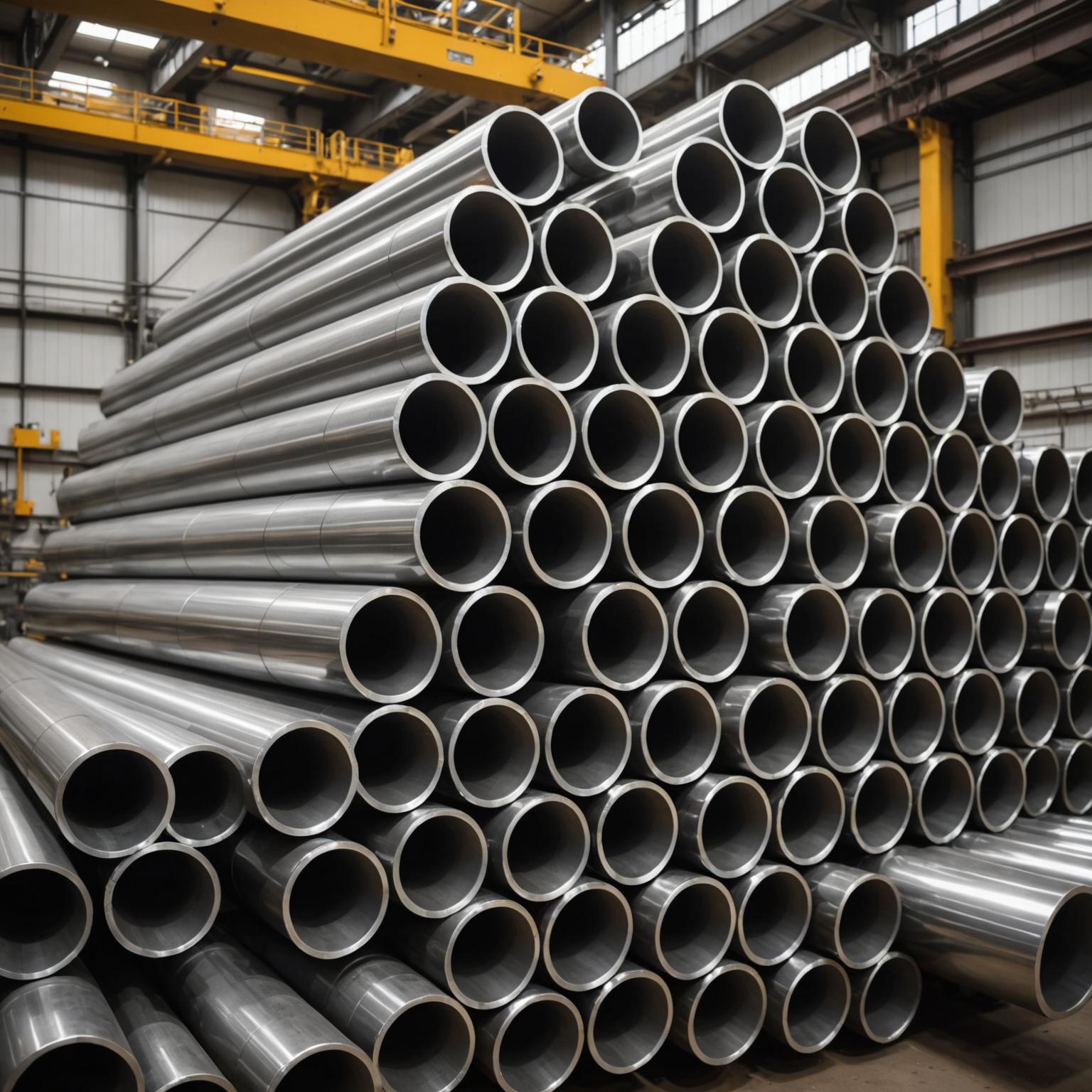
Understanding the Nature of Stainless Steel Corrosion
At its core, stainless steel's resistance to rust and corrosion comes from a very thin, invisible, and self-healing layer on its surface called the passive film. This layer is primarily composed of chromium oxide, which forms when the chromium in the alloy reacts with oxygen. It acts as a barrier, protecting the underlying iron from reacting with its environment. However, this protective film can be damaged or broken down by mechanical abrasion, chemical attack, or specific environmental conditions. When the passive layer is compromised and cannot repair itself, corrosion begins. The most common forms include pitting corrosion, which creates small, localized holes; crevice corrosion, which occurs in tight, stagnant spaces like under gaskets or in threads; and galvanic corrosion, which happens when stainless steel is in contact with a less noble metal in the presence of an electrolyte.
Choosing the Right Grade of Stainless Steel
The single most important step in preventing corrosion is selecting the appropriate grade of stainless steel for your specific application. There is no one-size-fits-all solution. The most common grade, Type 304, is excellent for general use but can be susceptible to corrosion in environments with high chloride concentrations, such as coastal areas or facilities using certain cleaning agents. For these more aggressive conditions, Type 316 is a far better choice. It contains molybdenum, an element that significantly enhances its resistance to pitting and crevice corrosion caused by chlorides. For even more demanding scenarios, advanced options like duplex stainless steels or specialized high-performance alloy steel tubing offer a superior combination of strength and corrosion resistance, ensuring reliability under extreme pressure and exposure to harsh chemicals. Investing in a premium material engineered for your specific environment is the foundation of a long-lasting, corrosion-free system.
Proper Design and Installation Practices
Even the best materials can fail if the system is poorly designed or installed. Thoughtful design plays a critical role in mitigating corrosion risks. Engineers and architects should aim to design systems that eliminate tight crevices where moisture and contaminants can accumulate. This includes ensuring smooth, continuous welds and designing for complete drainage to prevent stagnant fluid. Furthermore, it is crucial to use compatible materials for all components, including fittings, fasteners, and supports, to prevent galvanic corrosion. Utilizing advanced components, such as precision-engineered locking mechanisms that ensure a tight and secure seal, can minimize potential leak paths and crevice sites. During installation, care must be taken to avoid scratching, denting, or contaminating the pipe surface with iron particles from tools, as these imperfections can become initiation sites for rust.
The Role of Surface Finish and Coatings
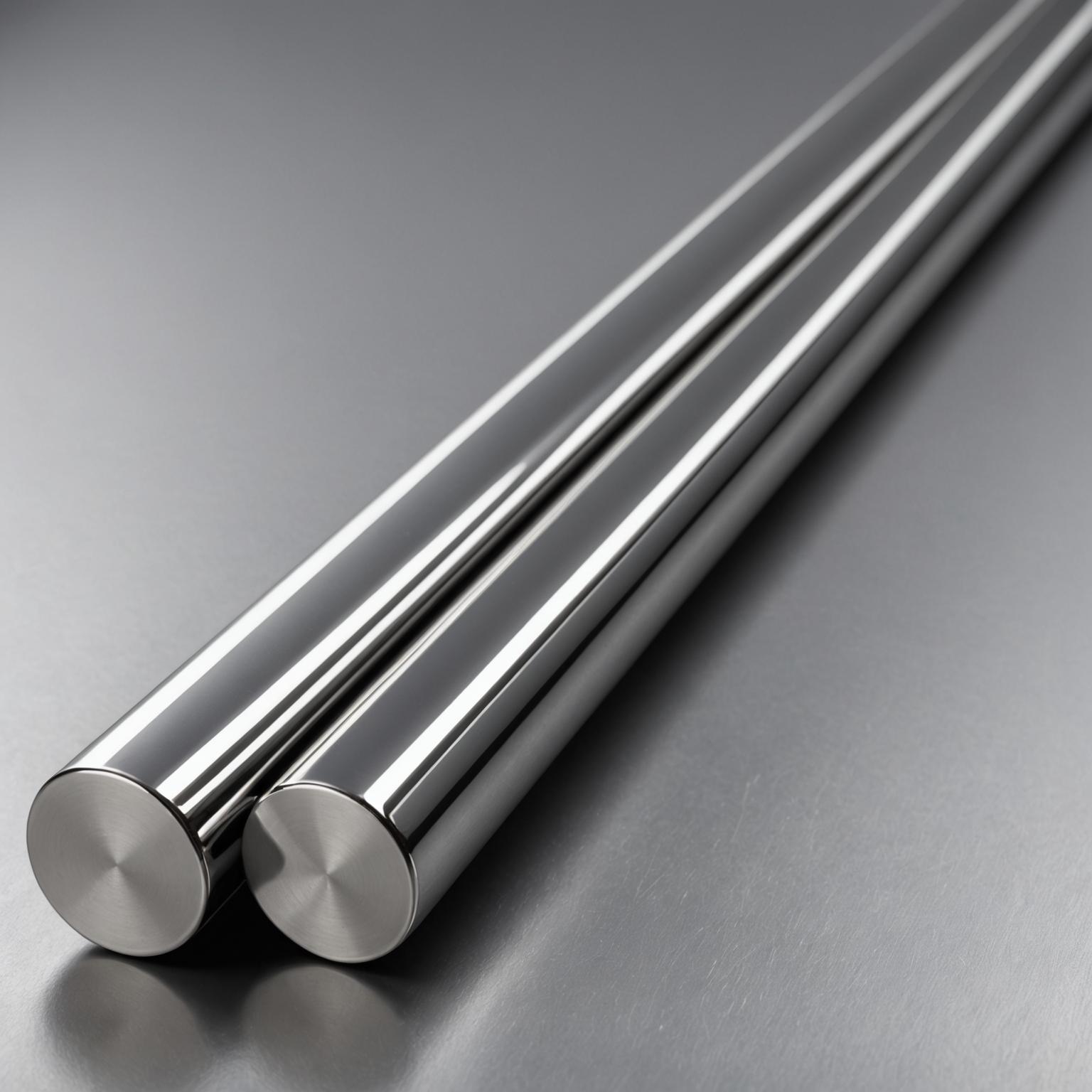
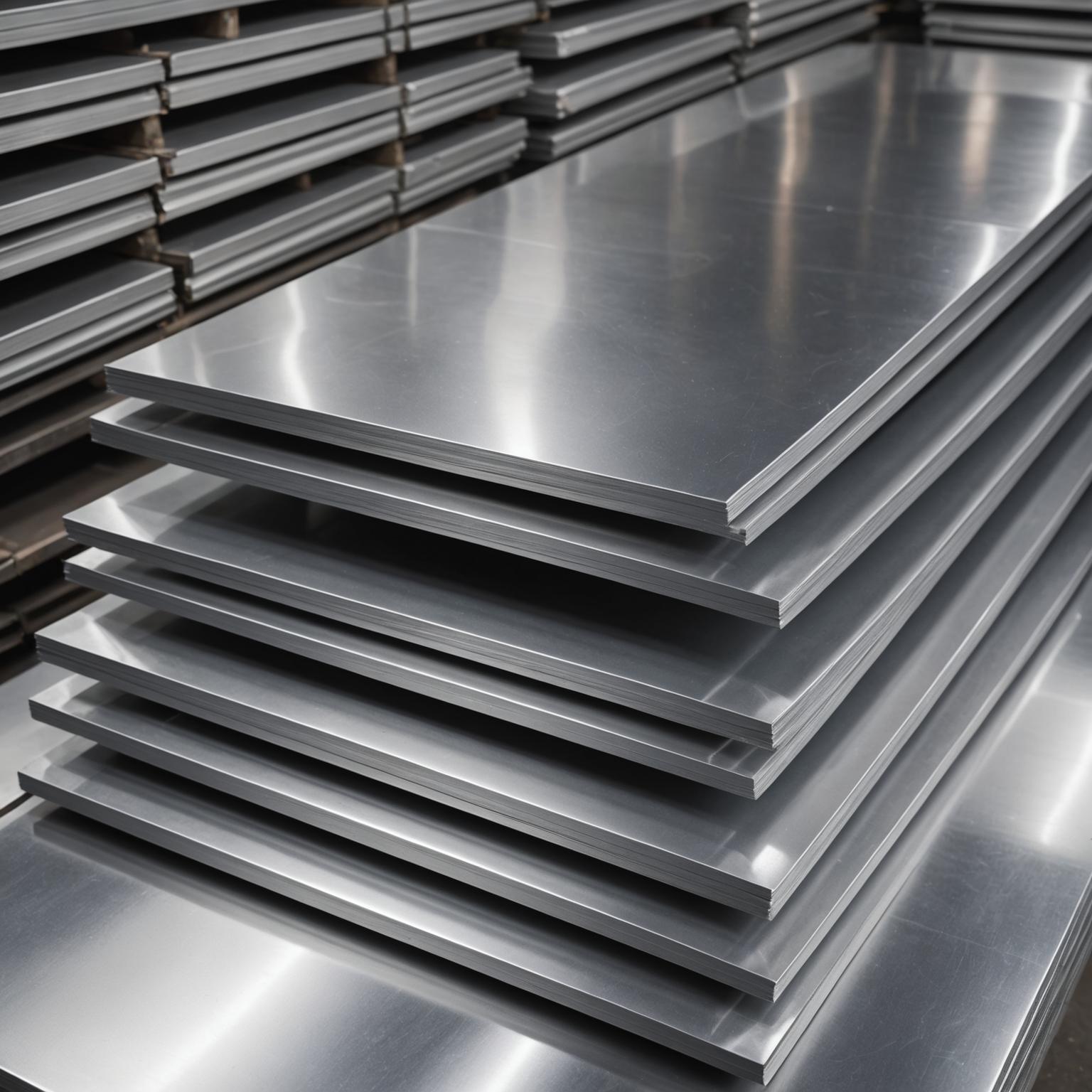
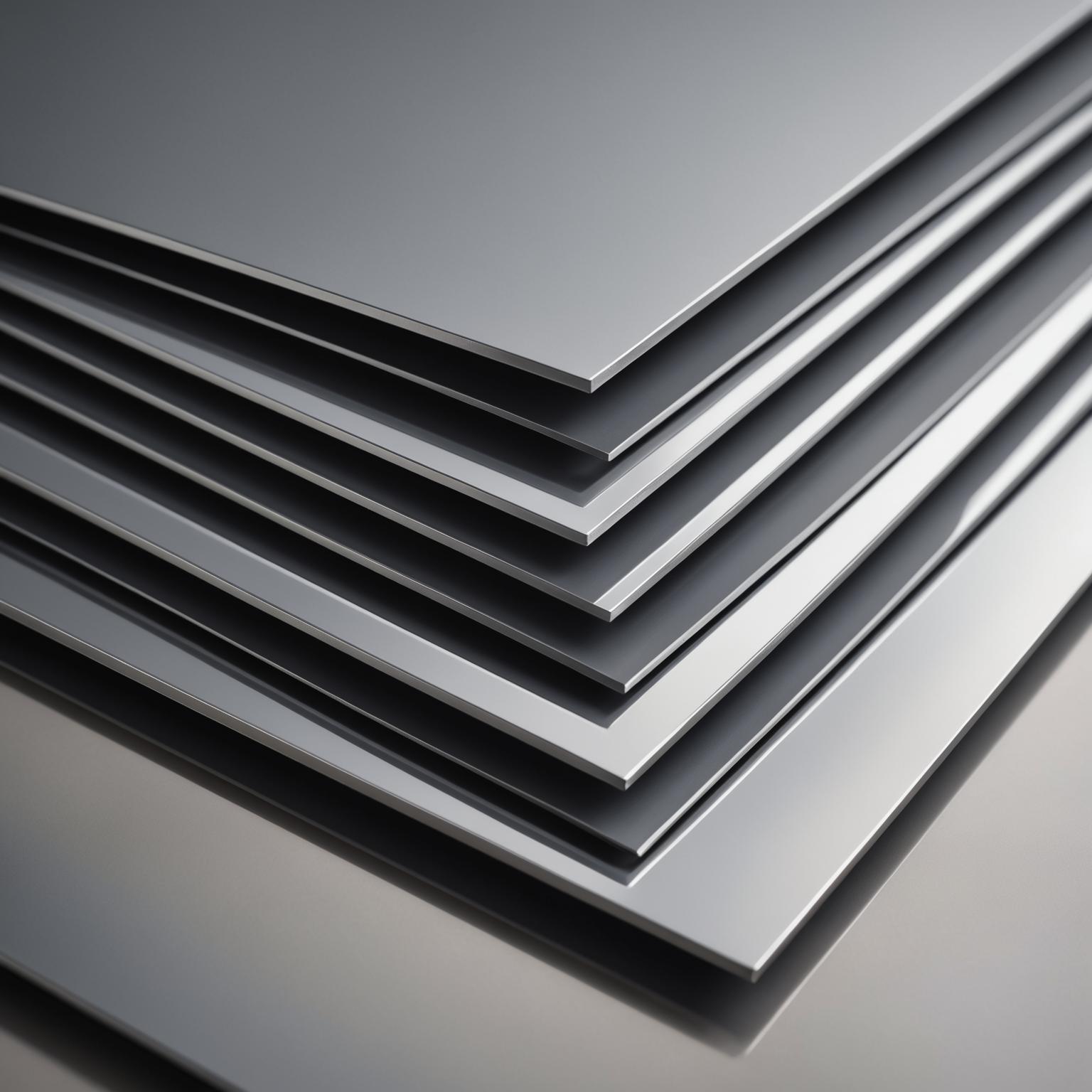
The surface condition of stainless steel pipe has a direct impact on its corrosion resistance. A smooth, polished surface is less likely to trap contaminants and moisture, making it inherently more resistant to corrosion than a rough one. Many high-quality pipes feature a sleek metallic or polished finish not just for aesthetics, but for this enhanced protective quality. In some applications, taking protection a step further with advanced coatings or surface treatments can provide an additional barrier. For example, systems designed for high-efficiency fluid transport may feature an enhanced inner lining that not only promotes better flow dynamics but also adds another layer of defense against corrosive media. These specialized surfaces effectively minimize friction and wear, extending the life of the pipe while safeguarding its integrity.
Effective Cleaning and Maintenance Routines
Regular cleaning and maintenance are vital for preserving the passive layer and preventing the buildup of corrosive deposits. A routine cleaning schedule should be established based on the severity of the operating environment. For most applications, cleaning with mild soap or detergent and warm water, followed by a thorough rinse with clean water, is sufficient. It is critical to avoid using cleaners containing chlorides (like bleach) and to never use steel wool or carbon steel brushes, which can leave behind iron particles that lead to rusting. After cleaning, the surface should be dried completely to prevent water spots, which can concentrate minerals and lead to pitting. Regular visual inspection is also key to catching any early signs of discoloration or staining, allowing you to address potential issues before significant damage occurs. Proper maintenance is a simple yet powerful aspect of how to prevent stainless steel pipe corrosion.
Controlling the Operating Environment
Finally, managing the environment in which the stainless steel pipes operate is a key preventative strategy. Factors like temperature, humidity, and chemical exposure can all accelerate corrosion rates. Where possible, controlling the concentration of aggressive chemicals like chlorides and sulfates is essential. In humid or damp locations, ensuring proper ventilation can help keep the pipe surfaces dry and reduce the risk of atmospheric corrosion. In industrial settings, it's important to be aware of all chemicals the piping system might be exposed to, both internally and externally, and to ensure the chosen stainless steel grade is compatible. By understanding and controlling these environmental variables, you can create conditions that support the natural corrosion resistance of the material, ensuring the pipes perform as intended for decades to come.