

A Comprehensive Guide to Protecting Your Investment
Precision-rolled stainless steel coils represent a significant investment in quality, durability, and performance for countless industries, from automotive manufacturing to construction. To ensure this investment reaches its destination with its pristine quality intact, understanding and implementing effective stainless steel coil packing methods is not just important—it is absolutely essential. The journey from the production facility to the end-user is fraught with potential hazards, including moisture, physical impact, and contamination. A robust packing strategy is the first and most critical line of defense, guaranteeing that the material's structural integrity and surface finish are preserved, ready for its final application.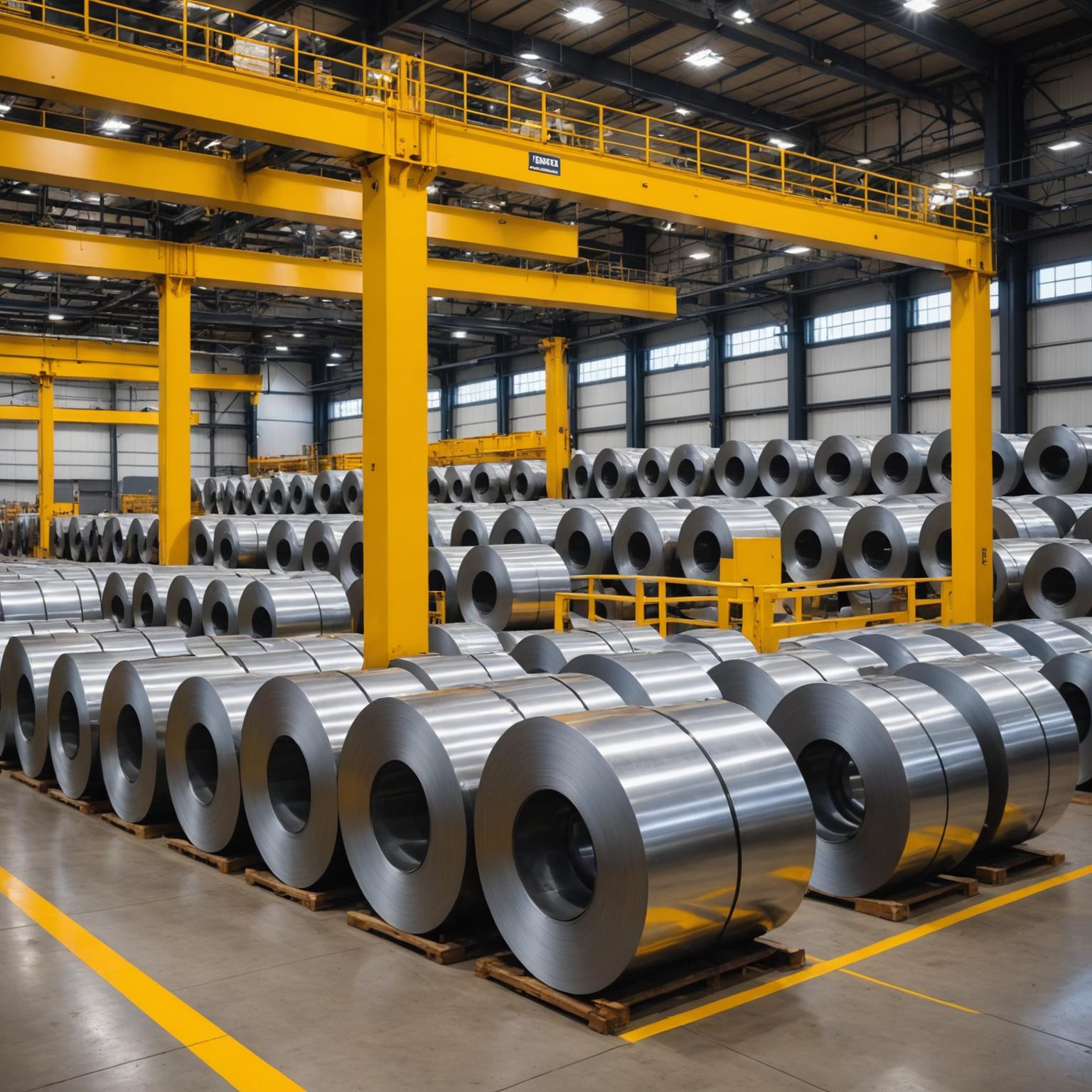
Understanding the Risks to Stainless Steel Coils
Before diving into the packing process, it's crucial to understand what you are protecting the coils from. Stainless steel, while resistant to corrosion, is not entirely immune, especially during long transit times or storage in humid environments. Moisture can lead to surface staining or rust, compromising both aesthetics and functionality. Physical damage is another major concern. Dents, scratches, and edge damage can render parts of the coil unusable, leading to material waste and financial loss. The delicate edges of a coil are particularly vulnerable to impact. Finally, contamination from dirt, oils, or other foreign substances can interfere with subsequent manufacturing processes. Proper packing mitigates all these risks, ensuring the product that arrives is identical to the one that left the state-of-the-art manufacturing facility.
Essential Materials for Superior Coil Protection
Selecting the right materials is the foundation of a successful packing strategy. Each material serves a specific purpose in creating a multi-layered shield around the coil. Key materials include Vapor Corrosion Inhibitor (VCI) paper or film, which actively releases molecules that prevent rust and corrosion on the metal surface. Waterproof kraft paper or plastic sheathing acts as a primary barrier against external moisture. For physical protection, edge protectors made from high-density plastic, steel, or hardboard are indispensable. These are applied to the inner and outer circumferences to absorb impacts and prevent deformation. The entire assembly is then typically encased in a durable outer shell, such as hardboard or galvanized steel wrapper sheets, providing a rigid defense against external forces. Finally, the unit is secured with high-tensile steel or polyester strapping to keep all protective layers tightly in place.
Step-by-Step Guide to Packing Stainless Steel Coils
The actual packing process is a methodical, step-by-step procedure designed to build layers of protection. First, the coil undergoes a final inspection to ensure it is clean and dry. The initial wrapping layer, typically VCI paper, is applied directly to the steel surface. This is the active anti-corrosion layer. Next, a layer of waterproof kraft paper or plastic film is wrapped around the coil to serve as a moisture barrier. Special care is taken to cover all exposed surfaces, particularly at the eye and edges of the coil. After the initial soft wrapping, hard edge protectors are fitted securely along both the inner and outer diameters. These protectors are vital for maintaining the coil's shape and preventing edge damage during handling and transport. Once the edge protectors are in place, another layer of waterproof wrapping may be applied to secure them and add further moisture resistance. Following this, a hard outer shell is constructed around the coil. This can involve wrapping it with corrugated board, hardboard sheets, or, for maximum protection, a full metal casing. This outer armor is the primary defense against punctures and impacts.
Securing the Coil for Handling and Transit
Once the coil is fully wrapped and protected, it must be prepared for safe and efficient handling. The method depends on the coil's orientation. For coils packed 'eye-to-sky' (axis is vertical), it's placed on a custom pallet or skid. The pallet is designed to support the coil's weight and prevent direct contact with the ground. For 'eye-to-wall' or 'eye-to-horizon' (axis is horizontal) packing, the coil is placed in a specially constructed wooden or steel cradle. This saddle-like structure prevents the coil from rolling and distributes its weight evenly to avoid flat spots or deformation. The final step is strapping. High-strength steel or polyester straps are used to firmly secure the coil to the pallet or cradle. Straps are typically applied both circumferentially (around the coil's curve) and radially (through the eye), creating a tight, stable, and unified package that can be safely lifted by a forklift or crane. Proper labeling with weight, dimensions, handling instructions, and material specifications is then applied to the exterior.
Advanced Packing Solutions and Best Practices
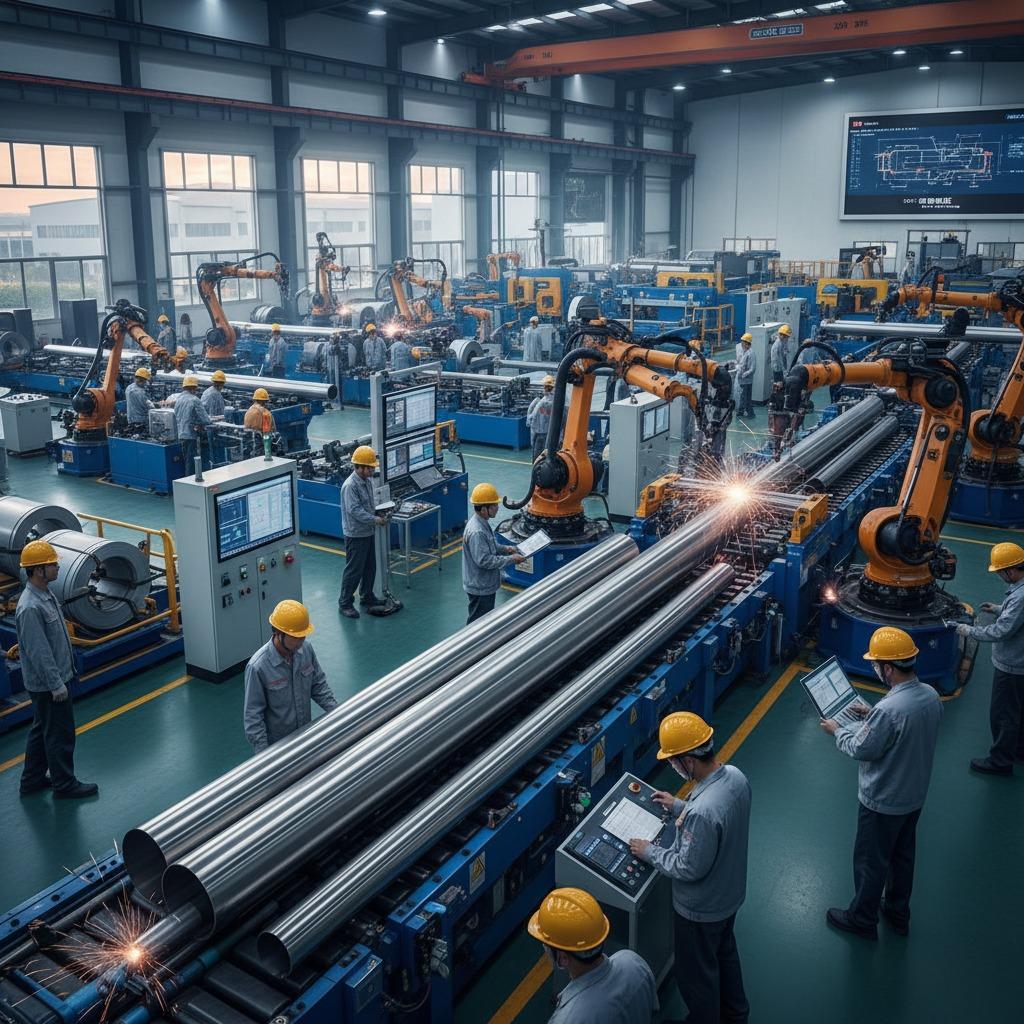
For high-value, international, or long-distance shipments, even more robust packing solutions are employed. Full crating, where the entire palletized coil is enclosed in a custom-built wooden box, offers the ultimate level of protection. In modern production facilities, much of this process is streamlined through automated packing lines. This automation ensures consistency and precision in every package, upholding the same high standards seen in the manufacturing of the precision-rolled steel coils themselves. Investing in these thorough stainless steel coil packing methods is non-negotiable for preserving the unmatched quality and engineering excellence of the product. It’s the final, crucial step in delivering on the promise of strength, versatility, and flawless performance that customers expect.