

Understanding 201, 304, and 316 Stainless Steel Pipes
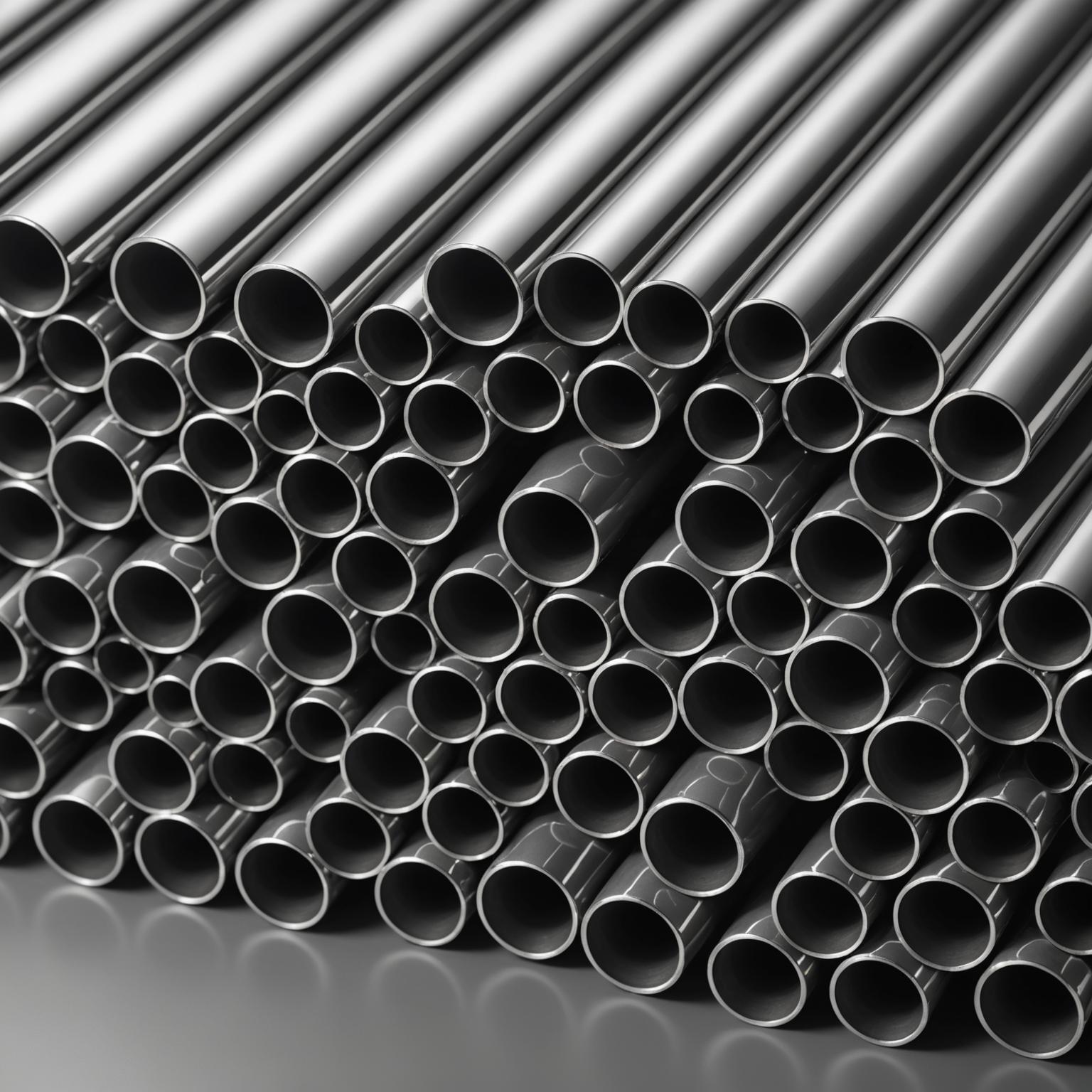
When selecting stainless steel piping for construction and design projects, choosing the right type is crucial to ensure longevity and functionality. The primary options to consider are the 304 stainless steel pipe, 316 stainless steel pipe, and 201 stainless steel pipe. Each variant offers unique benefits and potential drawbacks, making the choice highly dependent on your specific application needs.
Comparison of Corrosion Resistance
One of the most significant differences among these three types of stainless steel pipes is their corrosion resistance. The 201 stainless steel pipe, while being an economical option, has lower nickel content and higher manganese levels. This composition makes it less resistant to corrosive elements compared to its counterparts, which might not be ideal for environments with harsh chemicals or salt-water exposure.
In contrast, the 304 stainless steel pipe is known for its excellent corrosion resistance, making it a versatile choice for both indoor and outdoor applications. It provides the right balance between affordability and durability, making it suitable for general construction projects where conditions are not overly extreme.
For projects demanding the utmost in corrosion resistance, the 316 stainless steel pipe is the preferred choice. Featuring added molybdenum, this pipe type excels in environments exposed to chlorides or acidic industrial processes. Its superior resistance to pitting and crevice corrosion ensures structural integrity and longevity in the harshest conditions.
Strength and Durability Differences
Besides corrosion resistance, durability is another critical factor when comparing these stainless steel pipes. The 201 stainless steel pipe, although less corrosion-resistant, provides substantial strength and is suitable for structural and decorative applications that are not directly exposed to corrosive elements.
The 304 stainless steel is widely celebrated for its robust mechanical properties and ease of fabrication, which contribute to its popularity. Its resilience against wear and tear, along with a smooth, polished finish that resists debris accumulation, complements its corrosion-resistant features.
With the 316 stainless steel pipe, strength reaches new heights alongside unparalleled chemical resistance. It is especially beneficial for applications in marine environments or industries requiring stringent hygiene standards, offering the ultimate in both safety and performance.
Cost Considerations and Visual Appeal
Budget often plays a role in material selection, and here, the 201 stainless steel pipe outshines with its affordability. Its cost-effectiveness makes it a go-to option for non-critical applications where cost savings outweigh the specific environmental demands.
The 304 stainless steel pipe, balancing cost and performance, is slightly more expensive than the 201 but offers enhanced durability and resistance, which can lead to cost savings over time due to less maintenance and longer replacement intervals.
The 316 stainless steel pipe, being the most expensive, justifies its price through its superior properties that often result in lower lifecycle costs by reducing the need for replacements or repairs in harsh conditions.
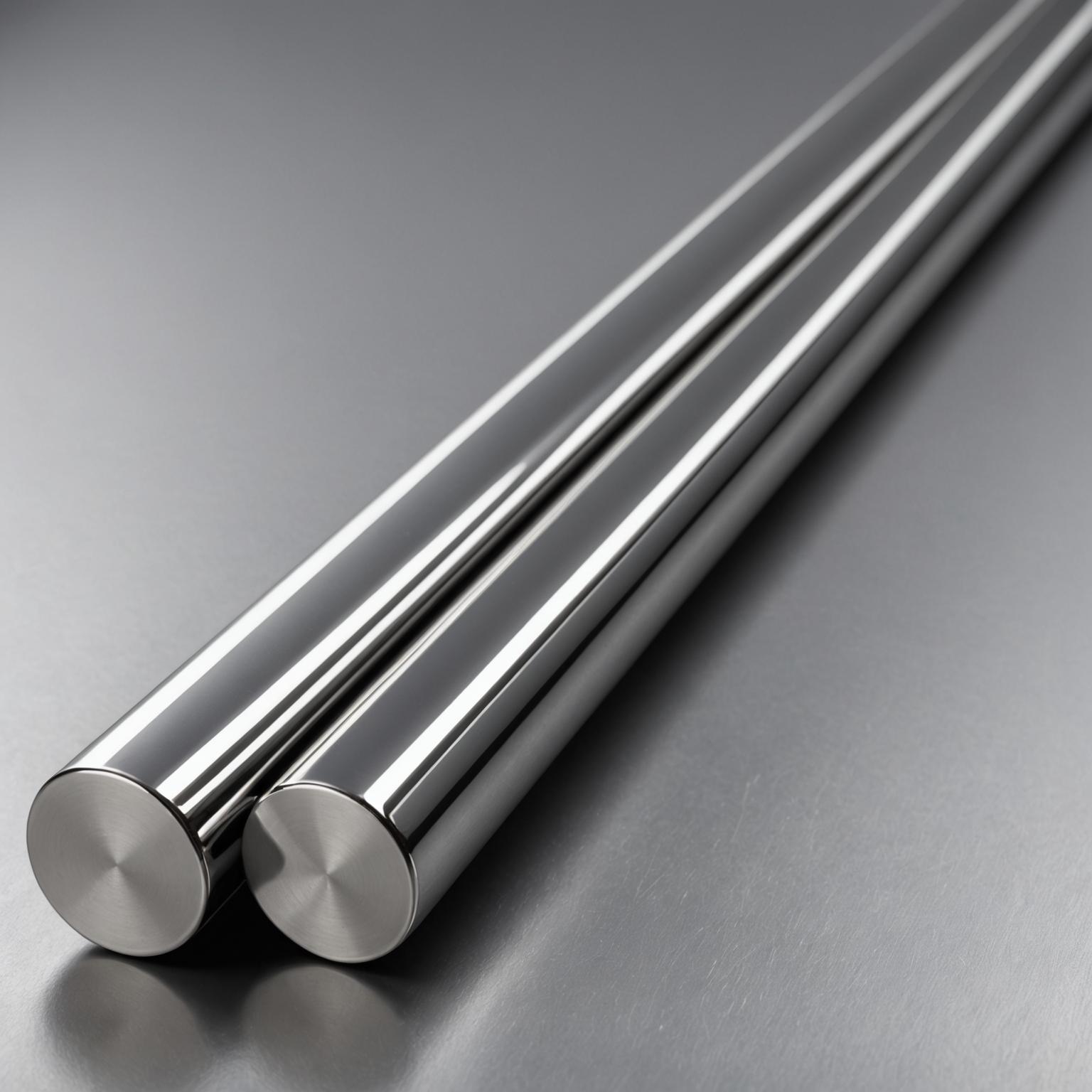
Aesthetically, all three variants offer a reflective surface that complements modern sophistication. This polished finish not only enhances appearances but also serves practical purposes by being easier to clean and maintain.
Choosing the Right Pipe for Your Project
Selecting between the 201, 304, and 316 stainless steel pipes ultimately depends on the specific requirements of your project. The 201 stainless steel pipe provides an economical yet strong solution for less harsh environments. If your project requires a balance of corrosion resistance and fabrication ease without breaking the bank, the 304 stainless steel pipe is ideal.
In challenging environments demanding unparalleled resistance and performance, the 316 stainless steel pipe stands out as the premium choice.
In summary, the decision relies heavily on the environment of use, budget constraints, and specific technical requirements of your project. By understanding the differences and advantages of each type, you can make a well-informed decision that ensures both functionality and aesthetics are achieved in your construction and design endeavors.